••
FAWE Ghana Launches Gender-Responsive Training for TVET Educators to Tackle Classroom Stereotypes
•2 min read•4 sources
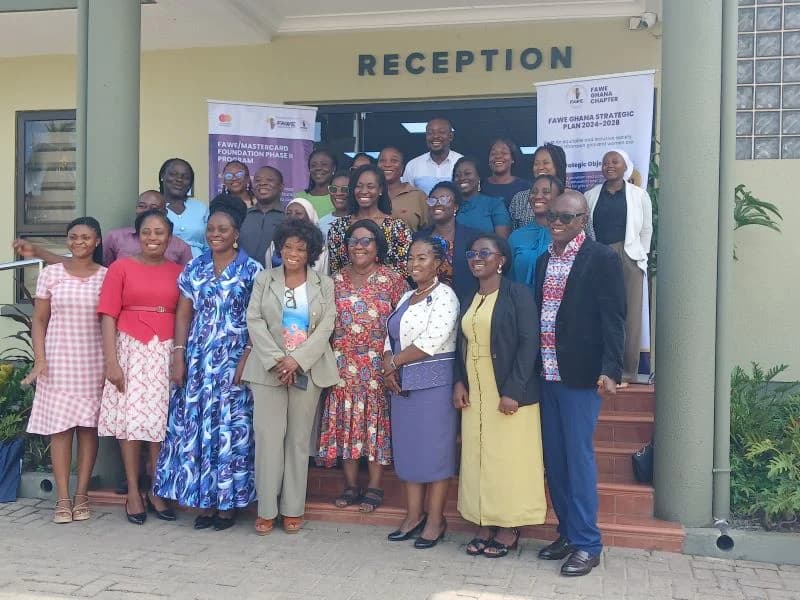
The Forum for African Women Educationalists (FAWE) Ghana, in partnership with the Mastercard Foundation, has launched a two-day Gender Responsive Pedagogy (GRP) training program in Accra. Designed specifically for tutors from Technical and Vocational Education and Training (TVET) institutions and technical universities, the initiative aims to equip educators with the necessary tools to create more inclusive and equitable learning environments. By training the trainers, FAWE Ghana seeks to dismantle long-standing gender barriers that have historically limited participation and success within the vocational and technical education sectors.
During the opening of the workshop, FAWE Ghana’s Board Chair, Mrs. Marian Akuorkor Tackie, emphasized the critical need for educators to lead the charge in promoting classroom equity. She noted that despite some progress in national gender equity, harmful stereotypes and traditional norms continue to persist, often acting as a bottleneck to national development. Mrs. Tackie argued that the current educational framework requires a deliberate shift toward gender studies to empower students of all genders, ensuring that no individual is held back by societal expectations or biased teaching methodologies.
Adding to the discussion on systemic barriers, FAWE Ghana National Coordinator Mr. Richard Amoani highlighted that many educational institutions currently struggle to respond adequately to the unique needs of both male and female students. He observed that many settings still prioritize male leadership in subtle but impactful ways, which can discourage female students from pursuing ambitious career paths in TVET. Dr. Leticia Effah-Manu further corroborated these concerns, pointing out that gender disparities remain stark within technical disciplines, necessitating a more intentional integration of gender-sensitive issues into the instructional process.
The training program concludes with a strong call for government intervention to formally integrate gender studies into the national education curriculum. Organizers believe that by institutionalizing these practices, Ghana can foster an environment where every student, regardless of gender, can reach their full potential. The ultimate goal of the GRP initiative is to transform TVET institutions from spaces of traditional gender roles into hubs of innovation and equality that contribute significantly to the country's socio-economic growth.
This story touches markets covered on Anansi Intelligence ↗.
More from education
Continue exploring similar stories


