••
EOCO Rescues 39 Trafficking Victims in Hohoe as Banking Leaders Warn of Pervasive Cyber Fraud Risks
•3 min read•5 sources
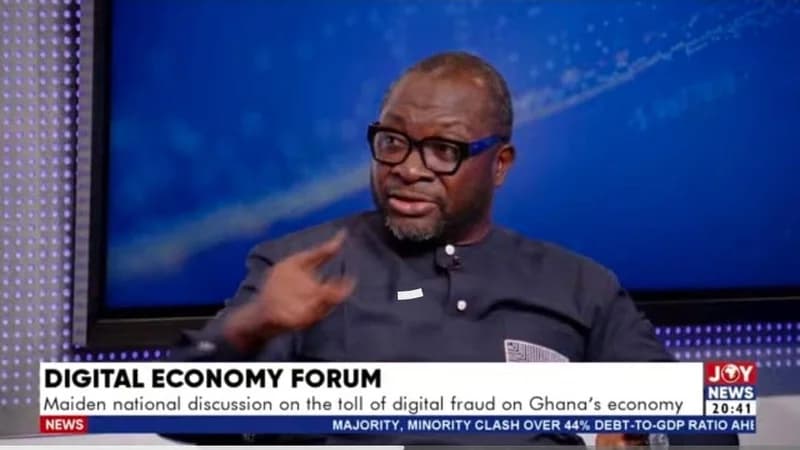
Ghanaian law enforcement and financial leaders have launched a multi-pronged approach to address pressing threats to public safety and economic integrity. The Economic and Organised Crime Office (EOCO), working alongside the Ghana Police Service, recently conducted a high-stakes operation in Hohoe, Volta Region, which led to the rescue of 39 individuals suspected to be victims of a human trafficking and travel fraud syndicate. The operation focused on two specific groups, known as "Model Q" and "Ignite," which allegedly exploited vulnerable individuals with false promises of overseas employment. Among those found at the scene, 14 individuals were detained as suspected members of the syndicate, while the rest—comprising citizens from several West African nations—are being assisted by EOCO and various embassies for safe repatriation.
The urgency of maintaining vigilance was further underscored by John Awuah, the CEO of the Ghana Association of Banks, who shared a personal account of being targeted by scammers immediately following a televised discussion on cybercrime. Mr. Awuah used the incident to illustrate that no individual, regardless of their professional standing or level of education, is immune to the evolving tactics of digital fraudsters. Speaking during a dialogue on the digital economy, he cautioned Ghanaians against a "false sense of security" as the nation’s digital infrastructure expands. He emphasized that the rise in online payment platforms has created a larger surface area for criminal activity, necessitating a shift in public mindset toward constant alertness and skepticism of unsolicited financial requests.
In a parallel effort to enhance urban security and public health, the Kumasi Metropolitan Assembly (KMA) has completed a significant enforcement exercise to dismantle the unauthorized "Bayakasua" settlement. Led by City Mayor Richard Kwasi Ofori Boadi Agyemang, the operation saw the removal of approximately 500 wooden structures located behind the COCOBOD building in Kumasi. The settlement had long been identified as a source of sanitation challenges and security concerns, including widespread illegal utility theft. During the clearance, the Electricity Company of Ghana and Ghana Water Limited disconnected hundreds of illegal meters and water lines. Mayor Agyemang noted that the operation was conducted without incident, signaling the Assembly’s resolve to enforce planning standards.
Together, these developments highlight the complex security landscape facing the current administration under President John Mahama. While the state continues to crack down on physical criminal networks like trafficking syndicates and illegal settlements, the banking sector is calling for a more robust culture of digital awareness. Moving forward, authorities have urged the public to report suspicious recruitment schemes and unauthorized utility connections to the relevant agencies. As Ghana seeks to bolster its reputation as a safe hub for investment and a secure home for its citizens, the coordination between law enforcement, financial institutions, and local government remains a critical pillar of national stability.
This story touches markets covered on Anansi Intelligence ↗.
Related topic
John Mahama: Latest News & Updates →More from africa
Continue exploring similar stories


