••
African Football News: Nigeria Mourns Michael Eneramo, Chris Hughton Recovers from Cancer, and Aboulaye Traore Sentenced
•3 min read•6 sources
The African football community is coming to terms with a series of significant developments involving prominent figures, led by the tragic passing of former Nigerian striker Michael Eneramo. The 40-year-old forward reportedly collapsed during a friendly match in Kaduna, succumbing to a suspected cardiac arrest just five minutes into the second half. His sudden death has cast a shadow over the continent’s sports scene, drawing heartfelt tributes from the Nigeria Football Federation (NFF). Officials described the loss as "devastating," noting Eneramo's reputation for strength and determination, while the incident has reignited urgent discussions regarding the necessity of improved medical screenings for athletes to prevent similar tragedies on the pitch.
Eneramo, affectionately nicknamed "Al Dababa" (The Tank) for his physical presence, enjoyed a prolific career across Tunisia, Algeria, Saudi Arabia, and Turkey. Although he was not selected for the final 2010 World Cup squad, he played a vital role in Nigeria’s qualification campaign, earning 10 caps for the Super Eagles. His death follows a troubling pattern of cardiac issues faced by African players, prompting calls for more rigorous health protocols within the sport. His legacy remains defined by his goal-scoring ability and the impact he made on every club he represented throughout his international career.
In a more hopeful development, former Black Stars head coach Chris Hughton has publicly disclosed his successful recovery from prostate cancer. Hughton revealed that he was diagnosed in April 2025 and underwent a successful surgery shortly thereafter in May. Now celebrating over a year of being cancer-free, the former Tottenham Hotspur and Newcastle United manager reported feeling energetic and optimistic. Hughton, who led the Ghana national team through the 2023 Africa Cup of Nations, emphasized that the diagnosis did not deter his positive outlook. His openness about his health journey is seen as an important step in raising awareness for early detection and men's health issues within the global football community.
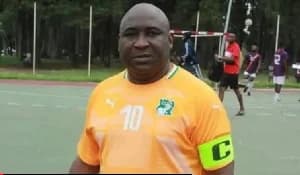
Contrasting these health updates, a major legal verdict has been reached in Ivory Coast involving 1992 African Cup of Nations winner Aboulaye Traore. The former international footballer has been sentenced to three years in prison for the rape of a 21-year-old woman in March 2021. A court in Bouake delivered the sentence, which includes a fine of 15 million CFA francs (approximately $26,700) and a five-year ban from entering the country's central region. This conviction is being hailed by the Ivorian League for Women’s Rights as a significant milestone in the fight against sexual violence and impunity, signaling a firm stance against such crimes regardless of a perpetrator’s public status.
This story touches markets covered on Anansi Intelligence ↗.
More from sports
Continue exploring similar stories


