••
Eduwatch Proposes DACF Formula Reform to Address Educational Infrastructure Disparities Across Districts
•2 min read•1 source
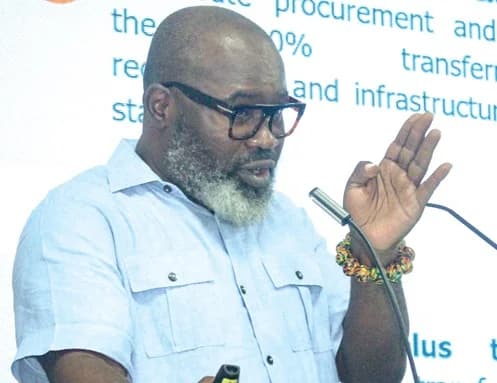
Eduwatch, a prominent education policy research and advocacy organization, has issued an urgent call to the Ghanaian government to overhaul the District Assemblies Common Fund (DACF) allocation formula. The advocacy body argues that the current distribution mechanism inadvertently favors wealthier urban areas while leaving deprived districts with significant infrastructure deficits behind. According to Eduwatch, a reform centered on equity is essential to ensuring that every child in Ghana, regardless of their location, has access to basic educational facilities and quality learning environments.
The urgency of this reform is underscored by stark disparities in funding across different local government areas. Eduwatch points out that wealthier districts, such as Adentan and Ga East, often receive approximately GH"4 million in allocations, whereas more deprived districts like Zabzugu and Bongo are allocated significantly less, roughly GH"2 million. To remedy this imbalance, the organization recommends that the DACF formula be revised to include specific indicators related to classroom shortages and existing infrastructure gaps. This change would prioritize funding for districts that face the greatest hurdles in providing basic education services.
Beyond infrastructure, the 2025 Education Policy Monitoring Report released by Eduwatch highlights several systemic challenges within the sector. While the report acknowledges some progress in general education service delivery, it notes critical shortfalls in funding for Technical and Vocational Education and Training (TVET) and persistent shortages of textbooks in many schools. Furthermore, the report identifies the uneven distribution of teachers as a major barrier to quality education, with many rural schools continuing to struggle with staffing shortages while urban centers remain relatively well-supplied.
As Ghana continues to pursue its educational goals under the Free Senior High School (SHS) program and other initiatives, Eduwatch emphasizes that infrastructure and resource equity must be at the heart of policy decisions. The organization maintains that without a deliberate effort to redirect resources to the most vulnerable districts, the gap in educational outcomes between urban and rural areas will continue to widen. The proposed reforms to the DACF are seen as a vital first step toward creating a more just and efficient educational system that serves all Ghanaian children equitably.
This story touches markets covered on Anansi Intelligence ↗.
More from education
Continue exploring similar stories


