••
ECOWAS Pledges $250,000 in Flood Relief to Ghana as President Mahama Leads National Clean-Up Efforts
•2 min read•6 sources
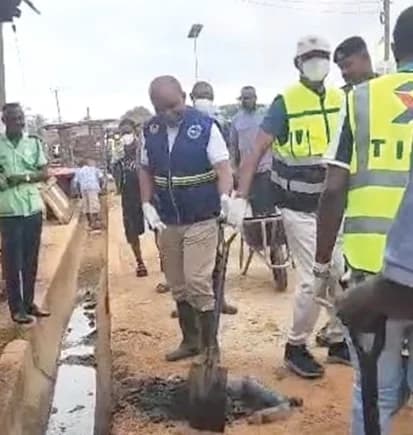
The Economic Community of West African States (ECOWAS) has committed US$250,000 (approximately GH¢3 million) to support victims of the devastating floods that hit Ghana on June 29. This financial boost comes as the administration of President John Dramani Mahama intensifies recovery and prevention efforts across the country. The funds are earmarked for ongoing relief and recovery initiatives in the most affected regions, providing a critical lifeline for citizens and communities struggling to rebuild in the wake of the disaster.
In tandem with international support, President Mahama has launched a nationwide clean-up initiative aimed at mitigating future flood risks and preventing potential disease outbreaks. During the campaign’s rollout in the Aowin Municipality, the Western North Regional Minister, Wilbert Petty Brentum, cautioned residents against dumping refuse in watercourses and building in unauthorized areas. Minister Brentum emphasized that human activities—specifically illegal mining and deforestation—have significantly worsened the impact of seasonal rains, urging a collective shift toward environmental stewardship to safeguard public health. The Municipal Chief Executive, Dr. Stephen Ntow Morcher, further encouraged active community participation to ensure the sustainability of these efforts.
The Ghana Armed Forces (GAF) has also taken internal measures to support its members, providing relief to 297 personnel impacted by the June floods. At a presentation held at Burma Camp, the Military High Command distributed uniforms, relief items, and financial assistance to those affected. Lieutenant General William Agyapong expressed profound sympathy for the losses sustained by the officers and announced that the disaster would serve as a catalyst for accelerating housing redevelopment projects within military garrisons. To address the psychological toll of the disaster, the GAF has also established specialized counseling services for the affected personnel.
Beyond Ghana’s borders, the heavy rains affecting the region have led to tragedy in East Africa, highlighting the broader challenges of climate-related disasters on the continent. In Ethiopia’s northern Amhara region, a landslide triggered by torrential rainfall struck a monastery, resulting in the deaths of 14 worshippers and injuring five others. These events collectively underscore the urgent need for improved disaster preparedness, sustainable urban planning, and regional cooperation across Africa to prevent further loss of life and property during extreme weather events.
This story touches markets covered on Anansi Intelligence ↗.
More from africa
Continue exploring similar stories


