••
ECOWAS Leaders Endorse $25 Billion Nigeria–Morocco Gas Pipeline Project to Boost Regional Energy Security
•3 min read•4 sources
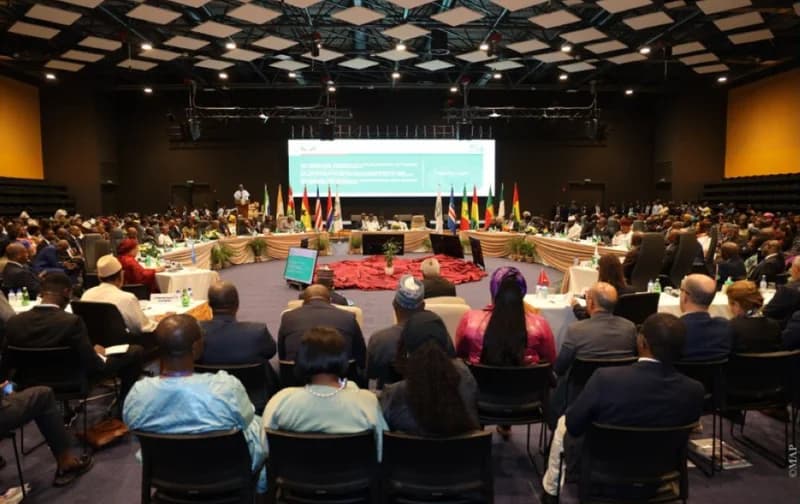
West African leaders have officially approved the legal and institutional framework for the Nigeria–Morocco African Atlantic Gas Pipeline (NMGP), a move that signifies a major leap toward regional energy independence. The endorsement took place during a high-level ECOWAS summit in Freetown, Sierra Leone, where member states signed off on the governance structures for the massive infrastructure project. Spanning approximately 6,800 kilometres, the pipeline is designed to transport natural gas from Nigeria’s resource-rich fields through several West African countries to Morocco, with the ultimate goal of reaching European markets. This agreement transitions the project from a bilateral initiative between Nigeria and Morocco into a comprehensive regional undertaking involving the entire ECOWAS bloc.
With an estimated construction cost of $25 billion, the pipeline is projected to transport roughly 30 billion cubic metres of gas annually. The project is seen as a physical manifestation of King Mohammed VI of Morocco’s vision for a more integrated and self-reliant Africa. By connecting the Atlantic coast of the continent, the pipeline will not only supply natural gas to coastal and inland West African nations but also provide a strategic alternative for European countries seeking to diversify their energy sources. The expansion of the project’s governance to include ECOWAS member states ensures that the management and socio-economic benefits of the infrastructure are shared across the sub-region, fostering a sense of collective ownership.
Beyond its technical specifications, the Nigeria–Morocco African Atlantic Gas Pipeline is expected to be a catalyst for industrial growth across West Africa. By providing a reliable and cleaner energy source, the project aims to address persistent energy access challenges and fuel economic development in participating nations. The agreement signed in Freetown solidifies the commitment of regional leaders to foster deeper economic cooperation through shared infrastructure. It represents a major step forward in the continent's broader agenda for energy integration, positioning West Africa as a significant player in the global energy export market while simultaneously securing domestic needs.
As the project moves into its next phase, the focus will shift toward establishing formal management structures and securing the substantial financial investment required for construction. While the endorsement by ECOWAS provides the necessary political and legal backing, the commencement of physical construction remains contingent upon the finalisation of complex regulatory arrangements and the mobilization of international capital. Once completed, the pipeline will stand as one of the longest offshore pipelines in the world, symbolizing a new era of south-south cooperation and a transformative shift in Africa's energy landscape.
This story touches markets covered on Anansi Intelligence ↗.
More from africa
Continue exploring similar stories


