••
West African Health and Sanitation Initiatives: ECOWAS Tackles Livestock Diseases as Accra Prepares for National Clean-Up
•2 min read•3 sources
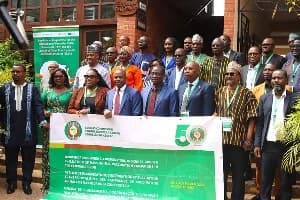
In a week focused on public health and regional stability, West African leaders and local authorities in Ghana are launching critical initiatives to protect both the economy and the environment. While ECOWAS representatives gathered in Accra to coordinate a harmonized livestock vaccination strategy across the sub-region, the Accra Metropolitan Assembly (AMA) is mobilizing residents for a massive citywide clean-up exercise. These concurrent efforts highlight a growing emphasis on collective responsibility and cross-border cooperation to address the health and economic challenges facing the continent.
The Economic Community of West African States (ECOWAS) recently concluded a three-day workshop at the Coconut Grove Hotel in Accra, titled "Cross-Border Planning, Coordination and Assessment." The workshop aimed to enhance mass animal vaccination campaigns to control transboundary diseases, specifically targeting Peste des Petits Ruminants (PPR). Experts including Dr. Koffi Eugene and Dr. Emmanuel Cudjo emphasized that vaccination alone is insufficient without harmonized strategies and robust data sharing among member states. They argued that the eradication of such diseases is a cornerstone for ensuring food security and human development, given the livestock sector's vital role in West Africa's agricultural economy.
Simultaneously, at the local level, the Accra Metropolitan Assembly has announced a citywide clean-up for Saturday, March 7, 2026, to observe National Sanitation Day. Starting at 6:00 AM, the exercise invites households, businesses, and community groups to clear drains, streets, and public spaces of waste. This initiative is particularly significant as it coincides with the celebrations of Ghana’s 69th Independence Day on March 6. AMA officials stressed that sanitation is a shared civic duty, aiming to address persistent challenges like clogged gutters and improper waste disposal to foster a culture of cleanliness and improve public health in the capital.
Together, these initiatives reflect a multi-tiered approach to safeguarding the wellbeing of citizens. From the high-level regional coordination of veterinary experts to the grassroots mobilization of city residents, the focus remains on proactive prevention. As ECOWAS moves toward more integrated health policies for the livestock trade and Accra strives for a cleaner urban environment, both programs underscore the necessity of sustained community and institutional participation in building a more resilient West Africa.
This story touches markets covered on Anansi Intelligence ↗.
More from africa
Continue exploring similar stories


