••
Redefining Identity and Relationships: Entertainment Icons Challenge Societal Norms from Accra to Australia
•2 min read•10 sources
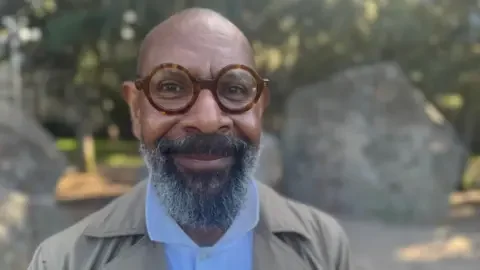
A wave of cultural reflection is sweeping through the entertainment industry as prominent figures and commentators call for a major shift in how society views marriage, success, and the digital landscape. In Ghana, celebrated playwright Uncle Ebo Whyte recently leveraged the premiere of his latest play, “I Do I Don’t,” to urge men to embrace women’s financial success. Whyte emphasized that modern relationship challenges often stem from communication gaps and the feeling of being threatened by a partner's achievements. This sentiment is echoed by local thinkers like Deborah Okailey Quarcoo, who has sparked a dialogue on whether women are raised only to marry or to fulfill personal dreams. Quarcoo argues that while companionship is valuable, a woman’s identity must not be confined to domestic roles, advocating for a narrative where marriage complements rather than defines one's life.
This push for purpose over tradition is also transforming the beauty industry. Yvonne Kofigah, CEO of Miss Diaspora Ghana, is advocating for a significant shift in pageant narratives, moving away from a focus on physical aesthetics toward measurable community impact and leadership. By encouraging beauty queens to champion social causes such as youth empowerment and vocational training, the Miss Diaspora Ghana initiative aims to align local pageants with international standards of empowerment. However, the complexities of modern romance remain a point of contention. Kumawood actor Kwaku Manu recently highlighted the anxieties men face in the dating world, confessing that a fear of "dangerous" relationships nearly deterred him from fatherhood, while an anonymous account shared via GhanaWeb detailed the emotional turmoil of open marriage arrangements involving high-profile public figures.
On the global stage, these themes of identity and personal safety were underscored by the Duchess of Sussex during her tour of Australia. Meghan Markle spoke candidly about her experience as the "most trolled person in the world," describing the decade-long mental health toll of online cruelty. Alongside Prince Harry, she called for tech companies to take greater responsibility for platform misuse and expressed support for Australia’s proposed social media ban for children under 16. These diverse stories—from the stages of Accra to the summits of Melbourne—collectively highlight a growing demand for a world where individuals can pursue their passions, define their own relationship structures, and navigate the digital world without the threat of systemic harm or outdated societal pressures.
This story touches markets covered on Anansi Intelligence ↗.
Related topic
Kumawood: Latest News & Industry Updates →More from entertainment
Continue exploring similar stories


