••
DVLA and GRA Intensify Digital Reforms to Combat Vehicle Fraud and Curb 'Goro Boys' Activities
•2 min read•4 sources
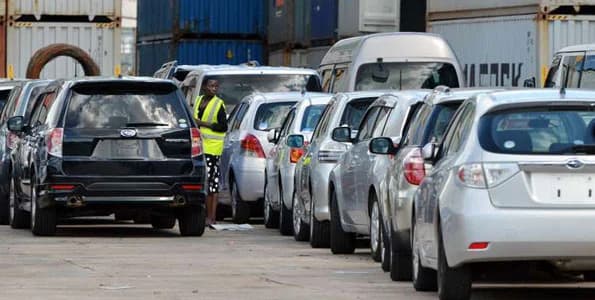
Ghana’s Driver and Vehicle Licensing Authority (DVLA) is accelerating its digital transformation agenda, announcing a series of technological reforms designed to curb vehicle fraud, eliminate illegal number plate cloning, and reduce public reliance on unauthorized intermediaries. CEO Julius Neequaye Kotey has revealed that the authority will pilot a new digital vehicle registration system in August 2026, with a full national rollout scheduled for January 1, 2027. This initiative aims to centralize number plate production and implement a security framework that prevents unauthorized embossing, providing law enforcement with more robust tools for vehicle tracking and identification.
The urgency of these reforms is underscored by the recent detection of over 130 vehicles suspected of being cloned or involved in duty evasion. Utilizing new inspection technology that verifies chassis numbers against comprehensive vehicle histories, the DVLA has successfully identified and seized these vehicles in collaboration with the Customs Division of the Ghana Revenue Authority (GRA). Mr. Kotey emphasized that the era of amnesty for those failing to regularize their vehicle duties has ended, warning that the DVLA and Customs will pursue prosecution for all future offenders found with fraudulent documentation.
Beyond enforcement, the DVLA is addressing the root causes of service inefficiencies that drive citizens toward "Goro Boys"—the unauthorized middlemen who frequent licensing premises. Recognizing that many motorists resort to these intermediaries due to limited access to official offices in remote areas, the authority is expanding its physical presence across Ghana while digitizing its core licensing processes. The administration's focus is on regulating intermediary activities and providing the public with more efficient, direct-access channels to ensure that vehicle registration and licensing are accessible to all citizens regardless of location.
Complementing the DVLA’s efforts, the GRA Customs Division is clarifying the technical processes behind vehicle import duties to ensure transparency for prospective car owners and reduce discrepancies. Senior Revenue Officer Daniel Kwame Ntem explained that duties are calculated based on specific vehicle classifications and Engine Capacity (CC) derived from the Vehicle Identification Number (VIN), rather than simply the purchase price. The GRA now provides an online calculator to help importers estimate costs based on the Manufacturer’s Suggested Retail Price (MSRP) and depreciation. These combined efforts between the DVLA and GRA represent a unified front to modernize Ghana's automotive sector and safeguard national revenue.
This story touches markets covered on Anansi Intelligence ↗.
Related topic
Ghana Customs Recruitment: Latest News & Updates →More from business
Continue exploring similar stories


