••
Tragic Mine Collapse in Eastern DR Congo Leaves Over 200 Dead Amid Heavy Rains
•2 min read•8 sources
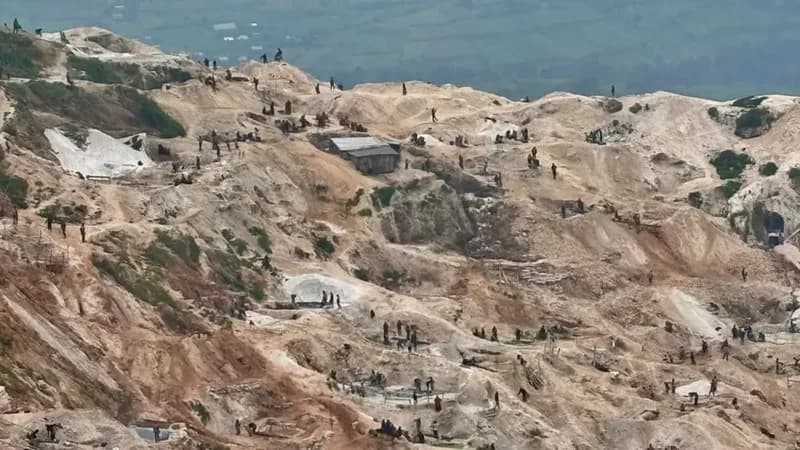
More than 200 people are confirmed dead following a devastating mine collapse in Rubaya, located in the eastern region of the Democratic Republic of Congo (DRC). The disaster, triggered by torrential rains, occurred at a site renowned for its significant deposits of coltan—a mineral indispensable to the global electronics industry. Rebel authorities and local witnesses have confirmed that the collapse happened suddenly, burying many miners under mud and debris in a region already destabilized by ongoing conflict.
Among the victims were numerous women and children who were engaged in artisanal mining when the slopes gave way. Reports from former site supervisors and eyewitnesses indicate that the mining area suffered from chronic lack of maintenance and poor management, which significantly exacerbated the danger posed by the severe weather. Currently, approximately 20 survivors are receiving medical treatment in local hospitals for various injuries. Governor Erasto Bahati Musanga has visited the survivors to offer support, while community members express profound grief over the massive loss of life in what is being described as one of the deadliest mining accidents in the region's recent history.
The Rubaya mining area is a critical hub for the world’s coltan supply, reportedly accounting for approximately 15% of the global total. However, the region is currently under the control of the M23 rebel group, which has faced repeated accusations from international observers and human rights organizations of exploiting the mining sector for personal gain and to fund its operations. Some international observers have also linked the group's activities to external support, though the primary focus remains on the hazardous environment created by unregulated mining under rebel administration.
This tragedy has reignited urgent calls for improved safety regulations and more transparent oversight of the DRC’s mining sector. While attempts to secure a formal statement from the Congolese government are ongoing, the precarious security situation in North Kivu continues to hinder effective state intervention. As the community begins the long process of recovery, the disaster serves as a stark reminder of the high human cost associated with the extraction of minerals that power modern technology globally.
This story touches markets covered on Anansi Intelligence ↗.
More from africa
Continue exploring similar stories


