••
Over 200 Dead in Tragic Mine Collapse in Eastern DR Congo's Coltan-Rich Rubaya Region
•2 min read•8 sources
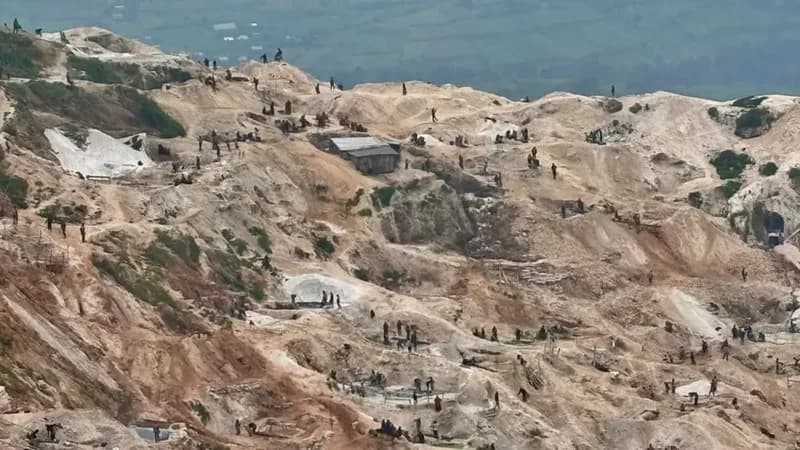
A devastating mine collapse in the town of Rubaya, located in the eastern Democratic Republic of Congo (DRC), has claimed the lives of more than 200 people. The disaster, triggered by days of torrential rainfall, occurred at a site renowned for its significant deposits of coltan, a mineral essential for the production of modern electronics. Among the victims were many women and children who were engaged in mining activities when the structure gave way. Local authorities and rescue teams have identified roughly 20 survivors who are currently receiving medical treatment in nearby hospitals, though the death toll remains a stark reminder of the region's precarious mining conditions.
The Rubaya mines are a critical node in the global supply chain, estimated to provide approximately 15% of the world's coltan supply. However, the site’s infrastructure has faced intense criticism from former supervisors and industry experts who point to poor maintenance and lack of safety protocols as primary contributors to the scale of the tragedy. Eyewitnesses described the scene as a catastrophic loss for the local community, which relies heavily on informal and artisanal mining for survival despite the inherent dangers posed by unstable terrain and inclement weather.
The disaster has also drawn renewed attention to the complex socio-political landscape of North Kivu. The Rubaya region is currently under the control of the M23 rebel group, which has been accused by international observers and human rights organizations of exploiting the mining sector to fund its operations. Allegations persist regarding the rebels' involvement in the illegal extraction and trade of minerals, often with purported support from neighboring Rwanda. This recent tragedy has intensified scrutiny on how rebel control over lucrative mineral resources affects the safety and human rights of the local population.
In the wake of the collapse, Governor Erasto Bahati Musanga visited the survivors and expressed solidarity with the mourning families. While attempts to secure a formal statement from the central Congolese government are ongoing, international humanitarian groups are calling for more stringent oversight of the mineral trade and better protection for those working in the informal mining sector. The incident serves as a grim reflection of the human cost associated with the global demand for electronics and the urgent need for structural reforms in conflict-affected mining zones.
This story touches markets covered on Anansi Intelligence ↗.
More from africa
Continue exploring similar stories


