••
Development Bank Ghana and MTN Lead Surge in Digital Innovation and SME Funding to Drive National Growth
•3 min read•9 sources
Ghana’s financial and technology sectors are entering a transformative phase, marked by multi-million dollar investment commitments and the rollout of sophisticated digital tools aimed at scaling small and medium enterprises (SMEs). Leading this charge, Development Bank Ghana (DBG) has announced an aggressive five-year scale-up plan, targeting a $600 million investment pipeline specifically for the agricultural value chain and manufacturing sectors. CEO Professor Randolph Nsor-Ambala emphasized that this strategy is designed to enhance food security, boost exports, and create sustainable jobs, with a particular focus on supporting women-owned and youth-led businesses. This move coincides with Advans Ghana Savings and Loans reporting a staggering 256% surge in net profit to GH¢66.9 million in 2025, a growth driven by a 48% increase in digital transactions and the success of its AdvansHER program, which expanded its female client base to 86,000.
Parallel to these financial injections, MTN Ghana is spearheading digital transformation through the launch of its MTN Ads platform. Unveiled at the inaugural Digital Transformation Conference in Accra, the data-driven platform provides SMEs with unprecedented access to customer behavioral insights and targeted communication tools. Ibrahim Misto, MTN Ghana’s Chief Digital Officer, noted that such innovations are pivotal for national development, as they allow smaller businesses to deliver personalized marketing campaigns previously reserved for larger corporations. According to Kelvin Ashie, MTN’s Manager for Digital Commercialisation, the platform is designed to optimize return on investment (ROI) by enabling businesses to tailor messaging across various digital channels, thereby fostering a more inclusive and competitive digital economy.
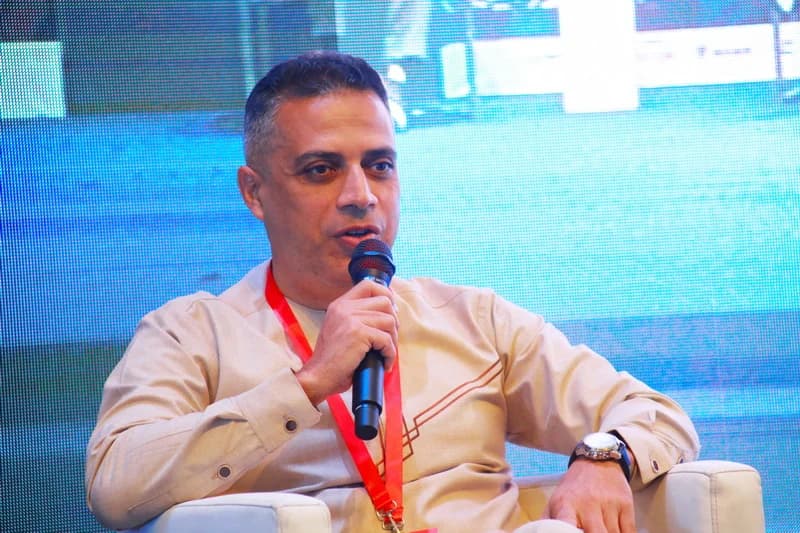
However, as digital financial services expand, industry leaders are calling for a balanced approach to innovation. Speaking at the 3i Africa Summit, Darwin Mireku, Stanbic Bank’s Head of Strategy and Enablement, urged fintech operators and financial institutions to prioritize responsible digital lending. While acknowledging the opportunities for financial inclusion, Mireku warned of the risks associated with customers taking multiple loans without adequate repayment assessments. He advocated for a resilient financial ecosystem where inclusion extends beyond credit to include savings, insurance, and investments, supported by regulatory frameworks that evolve in tandem with technological advancements.
On a grassroots level, the push for economic empowerment is being reinforced by targeted local initiatives. In Tamale North, Member of Parliament Alhassan Suhuyini has launched a second round of interest-free loans dedicated to supporting women-owned small businesses. This initiative mirrors the broader national trend of prioritizing female entrepreneurs as key drivers of local economic stability. Together, these corporate, financial, and legislative efforts signal a unified push toward a more robust Ghanaian economy, where digital tools and accessible credit serve as the primary engines for long-term growth and poverty reduction.
This story touches markets covered on Anansi Intelligence ↗.
Live rates
Dollar to cedi rate →More from business
Continue exploring similar stories


