••
Cybersecurity Risks Rise as 69% of Users Turn to Public Wi-Fi for Connectivity
•2 min read•1 source
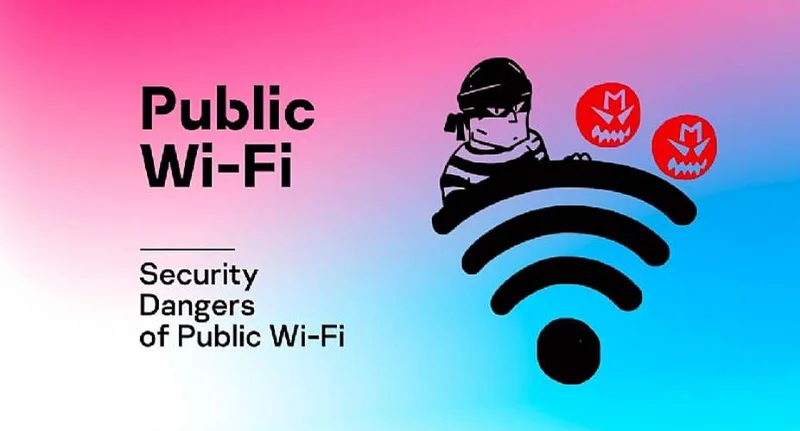
In an era where the rising cost of living is forcing many to seek ways to save, free public Wi-Fi has become an indispensable utility for many. According to recent data, approximately 69% of users connect to these public networks on a weekly basis, drawn by the convenience of staying connected without consuming mobile data. However, cybersecurity experts are raising alarms that the price of this "free" service may be far higher than users realize, as public hotspots often lack the robust security protocols found in private home or office networks. The security vulnerabilities inherent in public Wi-Fi expose users to several sophisticated cyber threats. Among the most dangerous are "evil twin" attacks, where criminals set up a fraudulent Wi-Fi network that appears legitimate to trick users into connecting. Once a device is linked, hackers can launch Man-in-the-Middle (MITM) attacks, allowing them to intercept sensitive information such as login credentials, bank details, and personal communications. Furthermore, cybercriminals frequently use these open connections to distribute malware or utilize captive portals—the login pages often seen in hotels or cafes—to harvest personal information for malicious purposes. While the allure of cost-free internet is strong, the potential for data breaches necessitates a more cautious approach to connectivity. Experts recommend that users take active protective measures, such as using Virtual Private Networks (VPNs) to encrypt their traffic and avoiding sensitive transactions like online banking while on public networks. As digital reliance continues to grow, understanding the trade-off between convenience and cybersecurity is essential for safeguarding personal data in an increasingly connected world.
This story touches markets covered on Anansi Intelligence ↗.
More from technology
Continue exploring similar stories


