••
Political and Legal Shifts: High Court Dismisses Ofori-Atta Suit, EOCO Faces Scrutiny, and Julius Debrah Reflects on Mahama’s Mentorship
•3 min read•18 sources
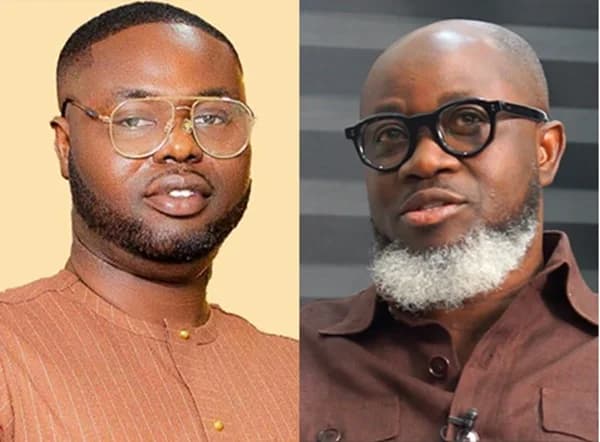
The Ghanaian political and legal landscape has seen significant developments this week, headlined by the dismissal of a high-profile defamation suit and ongoing tensions surrounding state investigative bodies. In Accra, a High Court presided over by Justice Francis Obiri struck out a GH¢10 million defamation case filed by former Finance Minister Ken Ofori-Atta against broadcaster Blessed Godsbrain Smart, popularly known as Captain Smart. The court cited a lack of prosecution, noting that Ofori-Atta had appeared only three times across eighteen adjournments since the suit's inception. The case was rooted in allegations made by Smart regarding Ofori-Atta’s purported involvement in International Monetary Fund (IMF) dealings, but the court ruled that procedural failures necessitated the dismissal without awarding costs to the defendants.
Simultaneously, the Economic and Organised Crime Office (EOCO) finds itself at the center of multiple legal disputes. The High Court has summoned EOCO officers to answer for a disputed operation at the residence of Abdul Hanan-Wahab Aludiba, the former CEO of the National Food Buffer Stock Company (NAFCO), involving unauthorized markings on the property. Furthermore, while the EOCO Governing Board recently cleared its top leadership—including Acting Executive Director Raymond Archer—of abuse of office allegations concerning Sesi-Edem Company Limited, the legal battle is far from over. Knightscild Chambers, representing Sesi-Edem, has publicly refuted claims that an injunction against EOCO has expired, asserting that the High Court’s interim order remains in force and warning of potential contempt of court if the agency continues its investigation into the firm owned by Council of State member Gabriel Tanko Kwamigah-Atokple.
Amidst these institutional clashes, former Chief of Staff Julius Debrah provided a personal perspective on political leadership during a thanksgiving service marking his 60th birthday at the Pentecost International Worship Centre (PIWC) in Trassaco. Joined by former President John Dramani Mahama, Debrah reflected on the evolution of their relationship from a strictly professional one to a deep personal bond and mentorship. He recounted how his appointment as Minister for Local Government served as the catalyst for their friendship, expressing gratitude for Mahama’s guidance and the considerate gestures—such as shared travel arrangements—that characterized their time in office. The event, attended by numerous senior government officials, highlighted the personal loyalties that often anchor Ghana’s political structures.
These events collectively underscore the complex interplay between individual accountability, institutional mandates, and the personal dynamics of governance in Ghana. While the dismissal of the Ofori-Atta suit emphasizes the necessity of judicial diligence, the ongoing friction between EOCO and private entities like Sesi-Edem highlights the continuing debate over the limits of investigative power. As the courts prepare for further hearings on the EOCO and NAFCO matters in late April 2026, the national discourse remains focused on ensuring that state institutions operate within the strict confines of the law while maintaining the integrity of public service.
This story touches markets covered on Anansi Intelligence ↗.
More from politics
Continue exploring similar stories


