••
Over 200 Dead in Eastern Congo Following Catastrophic Landslide at Rebel-Controlled Coltan Mines
•2 min read•8 sources
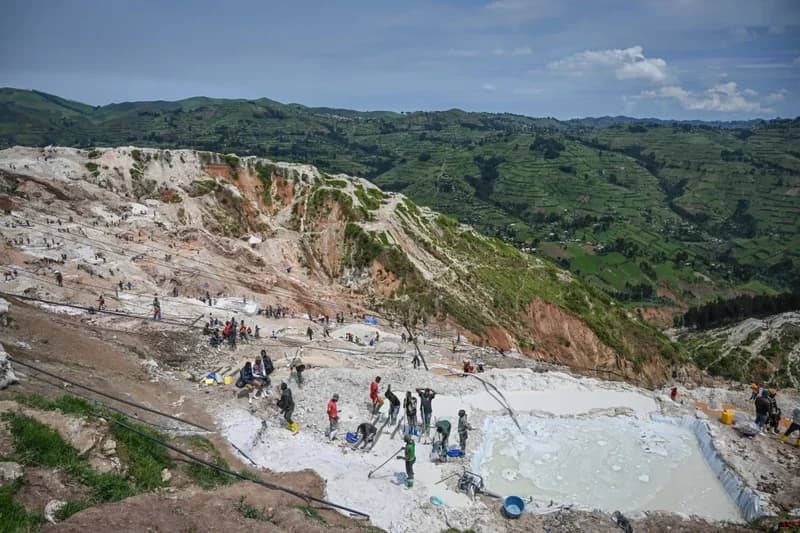
A catastrophic landslide at the Rubaya coltan mines in the eastern Democratic Republic of Congo has claimed the lives of at least 200 people, according to reports from rebel authorities. The disaster occurred on Wednesday following a period of torrential rains, which triggered the collapse of multiple mining sites in North Kivu province. The area is currently under the control of the M23 rebel group, which has been profiting from the region's rich mineral deposits. With many individuals still unaccounted for and believed to be buried under the debris, the death toll is expected to rise as recovery efforts continue.
In the immediate aftermath of the tragedy, rebel-appointed officials have ordered a temporary suspension of all artisanal mining activities at the Rubaya site. The spokesperson for the rebel-aligned governor confirmed that numerous injured miners have been transported to local healthcare facilities, with plans to move those requiring specialized care to the nearby city of Goma. Furthermore, authorities have initiated the relocation of residents living near the mines to prevent further casualties from potential secondary landslides, as the ground remains unstable due to the ongoing rainy season.
The Congolese government has issued a stern condemnation of the M23 rebels, accusing them of illegal resource exploitation and gross negligence regarding safety standards. Former miners and local observers have pointed out that the artisanal methods employed at the site lack essential structural safeguards, making such disasters a recurring threat. The government emphasized that the rebels’ control over these strategic assets not only violates national sovereignty but also directly endangers the lives of thousands of workers who operate in precarious conditions without regulatory oversight.
This disaster underscores the grim reality of the global supply chain for coltan, a mineral essential for the production of smartphones and other modern electronics. The Democratic Republic of Congo accounts for approximately 40% of global coltan production, yet the wealth generated often fuels conflict rather than development. As the region grapples with a massive humanitarian crisis and the displacement of over 7 million people, this latest tragedy highlights the urgent need for improved governance and safety in the mining sector to protect vulnerable populations caught in the crossfire of armed conflict and economic necessity.
This story touches markets covered on Anansi Intelligence ↗.
More from africa
Continue exploring similar stories


