••
Conakry Landfill Collapse Claims at Least 30 Lives Following Torrential Rains in Guinea
•2 min read•2 sources
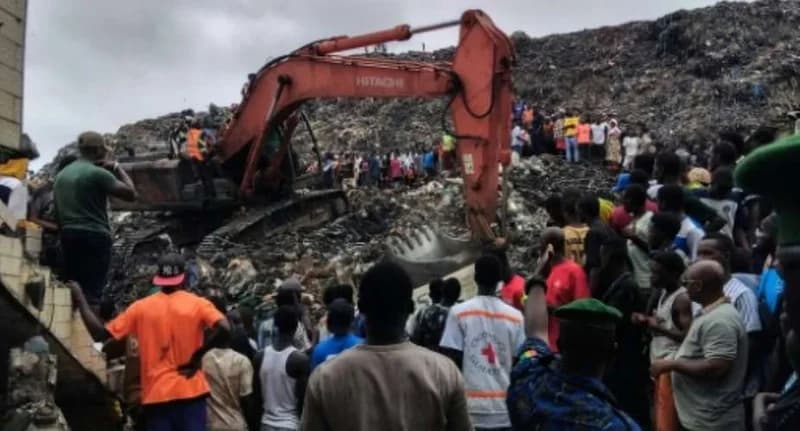
A catastrophic landfill collapse in Conakry, Guinea, has claimed the lives of at least 30 people and left several others injured after a massive mound of waste gave way during torrential rains. The disaster struck early Sunday morning in the Dar-es-salam neighborhood within the Bbessia district, where heavy downpours triggered a landslide of refuse that buried several homes. While early reports from witnesses and local officials indicated that at least 18 bodies had been recovered, the confirmed death toll has since risen as search and rescue operations intensified.
Witnesses described a scene of devastation as the unstable hillside of garbage slid onto the residential area below, catching many residents off guard in their homes. In addition to the fatalities, at least six people were reported injured and have been transported to local medical facilities for treatment. Recovery operations remain active at the site, with emergency teams and volunteers working through the debris to recover further victims. The bodies recovered so far have been taken to a local morgue for identification.
This tragic incident follows repeated warnings from government officials regarding the precarious nature of the landfill and the inherent dangers of residing in such close proximity to the waste site. In response to these known risks, authorities had previously initiated safety measures, including attempts to expel residents from the high-risk zone to prevent a disaster of this magnitude. Despite these prior efforts and the enforcement of some safety protocols, many families continued to live in the shadow of the landfill mound.
The tragedy highlights the ongoing challenges of urban waste management and housing safety in Conakry, particularly during the rainy season when refuse sites become increasingly unstable. As recovery efforts continue, there is a growing call for more stringent enforcement of zoning laws and the permanent relocation of communities living in ecologically hazardous areas. For now, the focus remains on the immediate humanitarian response and supporting the families affected by this preventable disaster.
