••
2026 FIFA World Cup Shatters Scoring Records as Cody Gakpo Nets 100th Goal in Record Time
•2 min read•4 sources
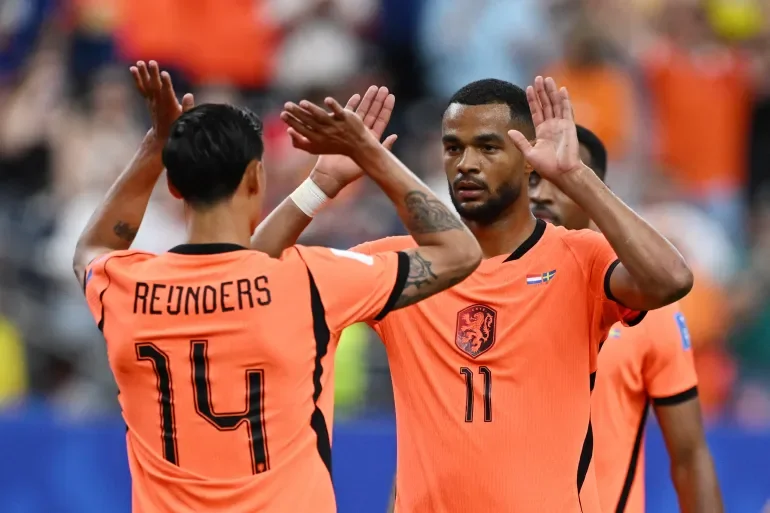
The 2026 FIFA World Cup, co-hosted by the United States, Mexico, and Canada, has officially entered the history books by reaching its 100th goal in record-breaking time. This milestone was achieved in just 33 matches, marking the fastest the tournament has reached the century mark since the 1958 edition in Sweden. Cody Gakpo of the Netherlands secured the landmark goal during his side's dominant 5-1 victory over Sweden, cementing his place in the tournament's history. This rapid scoring pace has set a vibrant tone for the expanded competition, captivating global audiences with an offensive display rarely seen in the modern era.
Statistical analysis highlights a significant jump in productivity compared to previous World Cups. The 2026 tournament currently boasts a high average of 3.09 goals per game, a notable increase from the 2.69 goals per game recorded during the 2022 edition in Qatar. Perhaps most impressively, the first 33 matches of this tournament saw only a single goalless draw, a testament to the aggressive attacking intent displayed by teams across the board. If this scoring trajectory continues, the tournament is on track to potentially exceed a total of 300 goals, which would shatter all-time tournament records.
Several technical and environmental factors are believed to be driving this unprecedented goal surge. Experts and former players have pointed toward the new Adidas 'Trionda' match ball, which features a flight path that reportedly challenges goalkeepers, leading to a noticeable uptick in successful long-range strikes. Additionally, the implementation of strategic hydration breaks has allowed for mid-half tactical resets, which analysts suggest lead to higher intensity and more frequent late-game goals. The exceptional form of global stars such as Lionel Messi and Kylian Mbappé, combined with the clinical finishing of players like Gakpo, has further fueled the tally.
Beyond technical adjustments, the tournament's expanded format and shifting competitive dynamics have played a role. The inclusion of more debuting nations and a tighter competitive balance among lower-ranked teams has resulted in open, high-scoring contests rather than the defensive stalemates often seen in the past. As the World Cup progresses into the high-stakes knockout stages, the football world will be watching to see if this offensive trend can be sustained or if the pressure of elimination will force a return to more conservative tactics. For now, the 2026 World Cup stands as a historic celebration of attacking football.
This story touches markets covered on Anansi Intelligence ↗.
More from sports
Continue exploring similar stories


