••
Political Tensions and Structural Neglect: Probing the Crisis Facing Ghana’s Cocoa Farmers and Rural Communities
•2 min read•7 sources
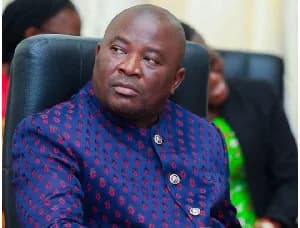
Alexander Akwasi Acquah, the Member of Parliament for Akyem Oda, has formally called for a thorough police investigation into the destruction of billboards that highlighted the ongoing challenges faced by cocoa farmers. The MP alleges that the Municipal Chief Executive (MCE) for Birim Central, Solomon Kusi Brako, ordered the vandalism to suppress political dissent and silence the People’s Forum, a group advocating for farmers following a drop in cocoa prices. This incident, reportedly captured on video, underscores the intensifying friction between local authorities and community advocates as economic and political pressures mount in Ghana’s rural heartlands.
The controversy in Akyem Oda is a localized symptom of a deeper national crisis within the cocoa sector. Despite record-high global cocoa prices in 2024, Ghanaian farmers have not felt the expected financial relief. Expert analysis from Dr. David King Boison suggests that Ghana’s stabilization model, while intended to provide income predictability, has created a significant disconnect between international market peaks and farm-gate returns. This structural lag, coupled with production shocks and rising debt levels within the cocoa system, has led to a breakdown in trust between the government and the farming community, leaving many to feel that their contributions to the national economy are being undervalued.
Parallel to the cocoa crisis is a growing critique of the systemic neglect of the Department of Community Development (DCD). Critics argue that this vital institution, designed to drive grassroots participation and local empowerment, has been sidelined by successive governments in favor of newer, flashier agencies that offer more opportunities for political and financial patronage. This institutional starvation has left the DCD underfunded and unable to effectively address persistent rural poverty, urban slums, and rising youth unemployment. The resulting vacuum in community leadership has turned the concept of local development into a political slogan rather than a tangible experience for many citizens.
These converging issues—political interference in public messaging, a rigid cocoa pricing mechanism, and the marginalization of grassroots institutions—highlight a significant gap between national policy and the lived reality of the Ghanaian people. Addressing these challenges requires more than just investigations into localized vandalism; it necessitates a comprehensive reform of the cocoa industry’s financial transparency and a revitalized commitment to existing community-led development frameworks. Restoring the dignity of the rural workforce and ensuring that economic gains reach the grassroots level will be essential for maintaining national stability and achieving genuine, inclusive growth.
This story touches markets covered on Anansi Intelligence ↗.
More from politics
Continue exploring similar stories


