••
CHRAJ Warns Child Labour Crisis Leaves Over 458,000 Ghanaian Children Out of Classrooms
•2 min read•3 sources
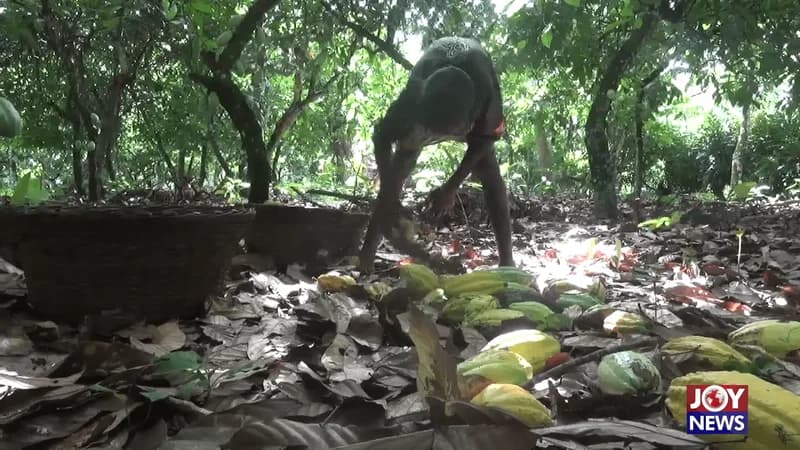
The Commission on Human Rights and Administrative Justice (CHRAJ) has issued a stark warning regarding a burgeoning child labour crisis in Ghana, revealing that over 458,000 children are currently missing school due to economic exploitation. In a statement timed with the 2026 World Day Against Child Labour, the Commission highlighted a grim reality where more than 1.1 million minors, aged between 5 and 17, are actively engaged in economic activities instead of pursuing their education. This alarming trend underscores a widening gap between national legislative aspirations and the lived experiences of Ghana’s most vulnerable citizens.
According to CHRAJ, the persistence of child labour is a direct violation of fundamental rights enshrined in the 1992 Constitution and the Children’s Act. Despite these robust legal frameworks and various international agreements intended to safeguard minors, the enforcement of protective laws remains insufficient. The Commission decried the lack of rigorous implementation, noting that legislative documents alone cannot protect children if they are not backed by active monitoring and prosecution of those who exploit young workers for economic gain.
The crisis is deeply rooted in systemic poverty, which continues to drive families to involve their children in labour to meet basic household needs. CHRAJ emphasized that child labour is not merely a social inconvenience but a significant barrier to national development. When nearly half a million children are denied an education, the cycle of poverty is reinforced, leading to long-term economic inequality and a workforce that lacks the necessary skills for a modern economy. The Commission stressed that failing to address these root causes will only exacerbate the marginalization of rural and impoverished communities.
In its call to action, CHRAJ urged policymakers and stakeholders to move beyond rhetoric and implement concrete measures to dismantle the structures of poverty that allow exploitation to thrive. The Commission's message serves as a reminder that the protection of children's rights is a collective responsibility essential for the country’s future stability. Without urgent intervention to improve enforcement and support vulnerable families, the fundamental rights of hundreds of thousands of Ghanaian children will continue to be jeopardized, undermining the progress of the entire nation.
This story touches markets covered on Anansi Intelligence ↗.
More from africa
Continue exploring similar stories


