••
Security Crisis in Lake Chad and Rising Xenophobia in South Africa Highlight Continental Challenges
•3 min read•11 sources
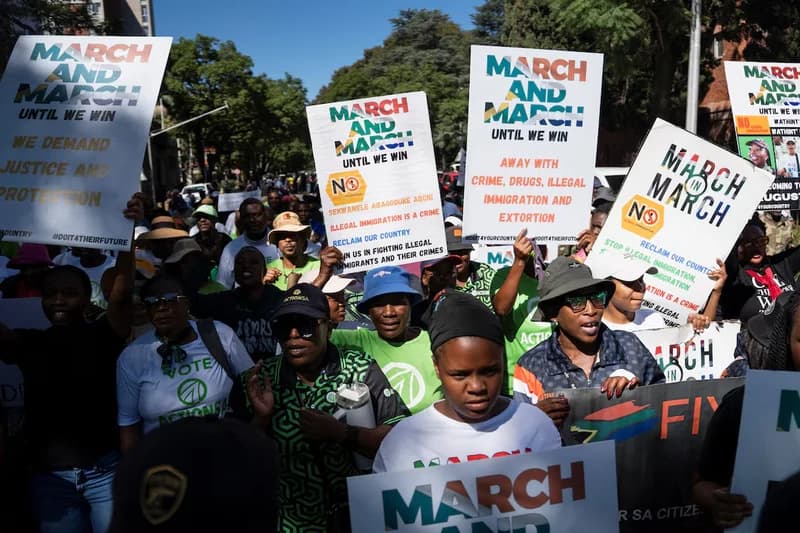
The African continent is facing a surge in security and diplomatic challenges, headlined by a devastating militant attack in Chad and escalating xenophobic tensions in South Africa. In the Lake Chad region, at least 23 Chadian soldiers were killed and 26 others injured following a late-night raid by Boko Haram militants on a military outpost located on Barka Tolorom island. Chadian armed forces confirmed that the assault, which occurred around 10:00 p.m. local time, was eventually repelled after a fierce firefight that resulted in significant casualties among the insurgents. President Mahamat Idriss Deby Itno condemned the attack as a cowardly act and reaffirmed the government's commitment to eradicating extremist groups, even as the incident raises fresh concerns about the resurgence of Boko Haram in areas previously thought to be stabilized.
Further south, diplomatic relations between Nigeria and South Africa are under strain as over 130 Nigerian nationals have applied for voluntary repatriation. This move follows a wave of anti-foreigner protests in Pretoria and Johannesburg, where demonstrators have demanded stricter action against undocumented immigrants. Nigerian Foreign Minister Bianca Odumegwu-Ojukwu confirmed that the government is facilitating the return of its citizens, many of whom are fleeing what they describe as a hostile environment fueled by xenophobia and recent incidents of police brutality, including the alleged deaths of two Nigerians in custody. The Nigerian government has called for greater cooperation from South African authorities to ensure the safety of foreign nationals and the legal resolution of these deaths.
Simultaneously, human rights concerns are mounting in the eastern Democratic Republic of the Congo (DRC), where Amnesty International has accused the Allied Democratic Forces (ADF) of systematic war crimes. The report, based on testimonies from survivors, details a harrowing pattern of kidnappings, forced labor, and the recruitment of child soldiers by the ISIS-aligned militia. These security gaps are mirrored by troubling reports of West Africans being deceptively recruited into foreign conflicts. A Ghanaian survivor recently recounted being lured to Russia under the pretense of a service job, only to find himself on the frontlines of the Russia-Ukraine war, where he survived on snow and sand due to extreme supply shortages.
Closer to home in Ghana, local security forces remain on high alert following a resurgence of violence in the Nkwanta South Municipality of the Oti Region. Arsonists set fire to four houses in Keri following the killing of a 25-year-old food vendor, Richmond Benye. While military and police personnel have been deployed to stabilize the area, the unrest underscores a broader trend of localized instability that complicates regional peace efforts. Collectively, these events emphasize the urgent need for enhanced intelligence sharing and unified regional responses to address the multifaceted threats of extremism, social unrest, and the exploitation of vulnerable populations across the continent.
This story touches markets covered on Anansi Intelligence ↗.
Related topic
John Mahama: Latest News & Updates →More from africa
Continue exploring similar stories


