••
Catholic Bishops, KNUST, and NaCCA Lead Calls for Educational Reform and Global Integration in Ghana
•2 min read•3 sources
The Ghanaian education sector is currently navigating a period of significant transition as stakeholders demand greater clarity on governance, professional standards, and global integration. At the forefront of these developments, the Ghana Catholic Bishops’ Conference is pressuring the government to finalize a long-delayed agreement regarding the management and governance of mission schools. The Bishops are seeking clear guidelines on admissions and accountability to preserve the religious identity of their institutions. Central to their concerns is the Computerised School Selection and Placement System (CSSPS); they are calling for an independent review and an investigation into allegations of corruption to ensure that the 20% admission quota reserved for Catholic candidates is respected and that placement processes remain transparent.
In tandem with these governance concerns, higher education leaders are advocating for a shift in professional training standards. Professor Christian Agyare, Vice-Chancellor of the Kwame Nkrumah University of Science and Technology (KNUST), has proposed transitioning from diploma-level training to Bachelor of Science (BSc) degrees for specialized health fields. Speaking at a graduation ceremony for over 24,000 health trainees, Professor Agyare emphasized that elevating the qualification level is essential to meet the growing demand for highly skilled health professionals. He called for a robust framework to support this academic upgrade, reaffirming KNUST's commitment to collaborating with the Ministry of Health to enhance the quality of healthcare education across the country.
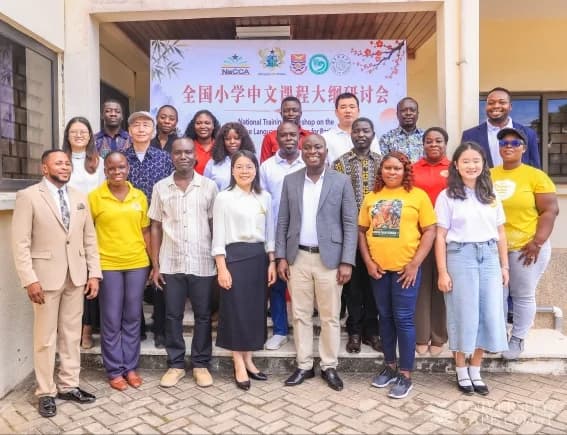
Broadening the scope of the national curriculum, the National Council for Curriculum and Assessment (NaCCA) has partnered with the Confucius Institute at the University of Cape Coast to equip teachers for the rollout of a new Chinese language curriculum. Dr. Eric Amoah, Deputy Director of NaCCA, highlighted the relevance of this initiative in preparing Ghanaian students for a globalized world. The training sessions focused on practical teaching strategies and the integration of Ghanaian languages into instruction to facilitate better cultural exchange. These collective efforts—ranging from mission school management to curriculum innovation and professional degree upgrades—underscore a multi-faceted drive to refine Ghana's educational landscape for both local integrity and international competitiveness.


