••
Kofi Adams Clarifies Carlos Queiroz’s $80,000 Salary as Parliament Warns of Stadium Decay and Nations FC Appoints Logarušić
•2 min read•3 sources
The Ghanaian sports sector is facing a pivotal period of administrative and structural changes, highlighted by the official disclosure of the national team coach's remuneration and a stern warning from Parliament regarding the state of athletic infrastructure. Minister of Sports and Recreation, Kofi Adams, has moved to settle public speculation by confirming that Black Stars head coach Carlos Queiroz receives a monthly salary of $80,000. This clarification follows various reports claiming the figure was $100,000, providing much-needed transparency regarding the financial commitments made by the Ghana Football Association (GFA).
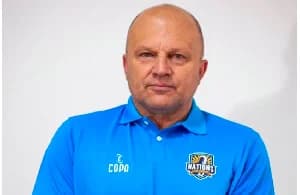
While the national team’s financial details draw headlines, domestic football is also seeing a strategic shift with the appointment of Zdravko Logarušić as the new head coach of Nations FC. Describing Ghana as a "sleeping giant" in African football, Logarušić has outlined an ambitious roadmap to restore the club's Premier League status and eventually compete on the continental stage. He specifically pointed to Nations FC’s innovative, privately run administrative structure as a model for success, suggesting that professional management is the key to unlocking the potential of Ghanaian clubs.
However, these managerial and coaching ambitions are threatened by the deteriorating state of the country's physical assets. During a recent parliamentary debate, Alhaji Yusif Sulemana, the Deputy Minister for Lands and Natural Resources, issued an urgent call for action to prevent the further decay of sports facilities. Highlighting the substantial public funds invested in these infrastructures, Sulemana criticized the ongoing negligence and urged the government to explore commercial revenue models to ensure stadiums are properly maintained for future generations.
These developments underscore a broader challenge within the Ghanaian sports industry: balancing high-level technical investments with the basic necessity of infrastructure maintenance. As the Black Stars navigate their future under Queiroz and Nations FC looks to modernize its operations, the sustainability of these efforts will ultimately depend on the state’s ability to protect its investments and foster a culture of maintenance and professional accountability across all levels of the game.
This story touches markets covered on Anansi Intelligence ↗.
More from sports
Continue exploring similar stories


