••
Fisheries Commission Boss Benjamin Campion Advocates for Community-Led Management to Restore Ghana’s Marine Resources
•2 min read•1 source
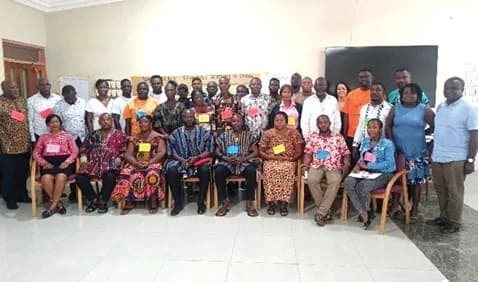
Prof. Benjamin Betey Campion, the Executive Director of the Fisheries Commission, has called for a shift toward community-led management to combat the sharp decline in Ghana's marine resources. Speaking at the inauguration of the Small-Scale Fisheries Academy, Prof. Campion emphasized that restoring fish stocks requires the direct involvement of the fishing communities themselves. This initiative arrives at a critical juncture for Ghana’s maritime sector, which faces mounting pressure from overfishing and environmental degradation. The Small-Scale Fisheries Academy is a collaborative effort supported by Mundus Maris and the Canoe and Fishing Gear Owners Association of Ghana (CaFGOAG). The academy’s primary objective is to empower artisanal fishers by providing them with specialized training in facilitation and co-management techniques. This empowerment is vital, as small-scale fishers are the backbone of the industry, contributing approximately 70% of Ghana’s total fish landings. By fostering a sense of ownership, the academy aims to bridge the gap between national policy and local implementation. Central to this transformation is the upcoming Fisheries and Aquaculture Act of 2025, which introduces comprehensive reforms to safeguard the industry. Prof. Campion highlighted that the new legislation will intensify measures against Illegal, Unreported, and Unregulated (IUU) fishing while establishing strategic marine protected areas. These reforms are designed to protect the livelihoods of local fishers and ensure that the marine ecosystem remains resilient against the threats posed by industrial-scale exploitation and non-compliant practices. Looking forward, the academy seeks to institutionalize inclusive governance by encouraging collaboration between local fishing communities and regulatory bodies. By sharing knowledge about the new legislative framework and promoting sustainable fishing practices, the Fisheries Commission hopes to secure the sector's future for the next generation. This community-centric model represents a significant pivot toward long-term sustainability, ensuring that Ghana's oceans can continue to support the nation’s coastal populations.
This story touches markets covered on Anansi Intelligence ↗.
More from africa
Continue exploring similar stories


