••
CAF Under Fire as 2025 AFCON Ruling Triggers Appeal from Senegal and Retroactive Title Claim from Guinea
•2 min read•5 sources
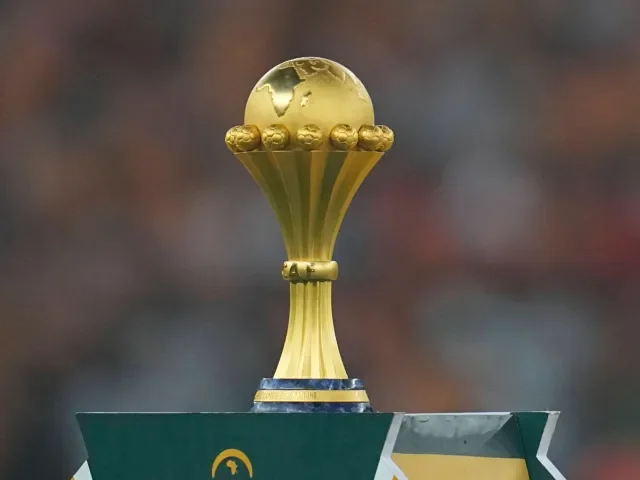
The Confederation of African Football (CAF) is facing a burgeoning crisis following its controversial decision to overturn the 2025 Africa Cup of Nations (AFCON) final result. Originally won by Senegal on the pitch, the title has been awarded to Morocco as a 3-0 victory after Senegal players staged a walkout. This ruling has not only sparked outrage within the Senegalese camp but has also prompted the Guinea Football Federation to demand a retroactive review of the 1976 AFCON title, citing a need for historical consistency in disciplinary measures.
The fallout began when Senegal players protested a late penalty awarded to Morocco during the final match. Although Senegal ultimately secured a victory after extra time, CAF invoked tournament regulations to nullify the result and sanction Senegal for their on-field protest. Augustin Senghor, a senior CAF official and former head of the Senegalese Football Federation, has condemned the decision as "abject" and a violation of football's fair play. In response, Senegal has announced an appeal to the Court of Arbitration for Sport (CAS) and requested an investigation into potential corruption within the governing body. While Senegal’s head coach has been suspended following the incident, he is still expected to lead the team in the upcoming World Cup.
Taking a cue from this modern-day ruling, the Guinea Football Federation has formally urged CAF to reassess the outcome of the 1976 AFCON. Guinea argues that the same strict standards applied to Senegal’s 2025 walkout should have been applied to Morocco nearly five decades ago. During a decisive 1976 match, Moroccan players briefly left the pitch to protest a refereeing decision. The match eventually resumed and ended in a 1-1 draw, a result that allowed Morocco to clinch the championship based on overall group points. Guinea is now asserting that if walkouts warrant title-stripping today, they should have been met with similar sanctions then, emphatically demanding the return of their 1976 trophy.
These dual challenges place CAF in a difficult position, forcing the organization to defend its current disciplinary framework while addressing historical grievances. While the appeal from Senegal to CAS represents an immediate legal hurdle, Guinea’s request challenges the very foundation of CAF’s historical record. As of now, CAF has not officially responded to Guinea’s demands, but the situation underscores a growing demand for transparency and consistency in how African football's highest body handles match-day disruptions and disciplinary actions across different eras.
This story touches markets covered on Anansi Intelligence ↗.
More from sports
Continue exploring similar stories


