••
Minister Emmanuel Armah-Kofi Buah Revokes Adamus Resources Leases as Government Tightens Grip on Mining and Cocoa Sectors
•3 min read•19 sources
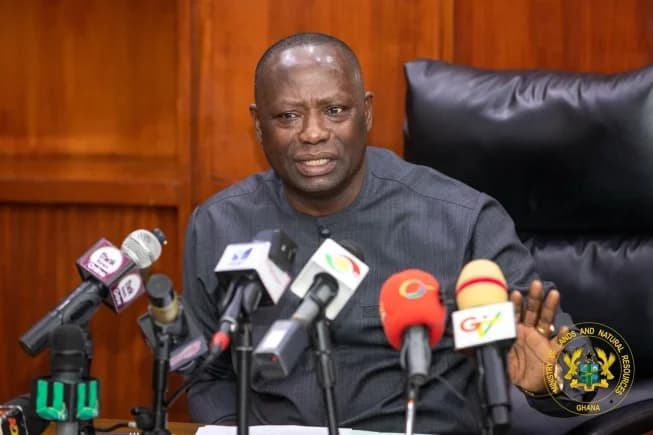
Minister for Lands and Natural Resources, Emmanuel Armah-Kofi Buah, has upheld the revocation of three mining leases belonging to Adamus Resources Limited, citing systemic breaches of the Minerals and Mining Act. The decision follows a review by an Inter-Ministerial Committee that identified unauthorized mineral rights assignments, environmental compliance failures, and financial defaults. Adamus Resources, led by entrepreneur Angela List, has vehemently rejected the move, describing it as an "abuse of power" and a "baseless revocation" that disregards statutory procedures. The company has vowed to challenge the decision in court, while the Ministry has clarified that the assets are not for sale but must adhere to national laws to protect the public interest and maintain industry standards.
Concurrent with the Adamus dispute, the government is facing intense pressure to curb illegal mining, popularly known as galamsey. In the Western Region, the Mpohor-Fiase District Assembly, led by District Chief Executive Sophia Aubyn, recently conducted an intelligence-led operation involving a joint taskforce of the military and police, resulting in several arrests. However, prominent voices like award-winning journalist Erastus Asare Donkor and Dr. Ken Ashigbey of the Media Coalition Against Illegal Mining have warned that recent gains are being eroded. Dr. Ashigbey criticized the state for failing to honor the eight officials who died in a helicopter crash a year ago by allowing illegal operations to continue unabated, particularly in "red zones" where water sources remain heavily contaminated. Meanwhile, Betterland Ghana Limited has threatened legal action against GTV over reports of illegal mining in forest reserves, asserting their operations are fully legal.
To bolster economic stability and national reserves, Finance Minister Dr. Cassiel Ato Forson and Minister Buah have formalized a Memorandum of Understanding with large-scale miners under the Ghana Accelerated National Reserve Accumulation Programme (GANRAP). This agreement mandates that 30% of gold output be sold to the Bank of Ghana and the Ghana Gold Board for local processing and refining. The government aims to build a reserve buffer equivalent to 15 months of import cover, positioning Ghana as a gold refining hub in West Africa. The Ghana Chamber of Mines has expressed support for the program while advocating for an incentive-based system to promote local mineral beneficiation beyond 2028.
In the legislative arena, the opposition New Patriotic Party (NPP) has called on President John Mahama to withhold his assent to the new Ghana Cocoa Board (COCOBOD) Bill. The NPP, represented by Dr. Isaac Yaw Opoku, argues that the bill could inadvertently penalize cocoa farmers for administrative lapses and lacks transparency regarding producer price calculations linked to Free on Board (FOB) prices. The party is calling for broader consultations to ensure the law protects farmers' interests rather than imposing unintended penalties. These developments underscore a period of intensive regulatory activity as the Mahama administration seeks to balance industrial enforcement with economic growth and rural stability.
This story touches markets covered on Anansi Intelligence ↗.
Related topic
NPP (New Patriotic Party): Latest News →Live rates
Ghana gold price →More from politics
Continue exploring similar stories


