••
Zambian Opposition Leader Brian Mundubile Detained for Treason as Regional Leaders Push for Institutional Accountability
•3 min read•34 sources
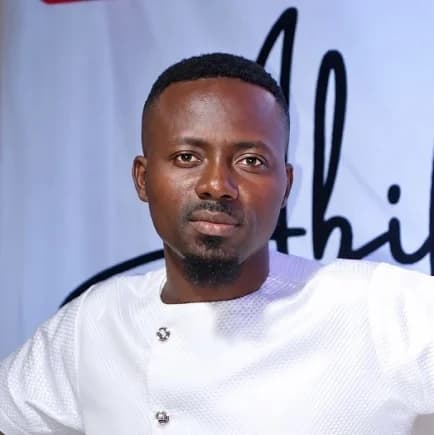
The African political landscape faces significant turbulence this week, headlined by the arrest of Zambian opposition leader Brian Mundubile and his running mate, Makebi Zulu, on charges of treason. Mundubile, who surrendered after two weeks in hiding following a police summons, had been disputing the results of the August 13 presidential election, which saw incumbent President Hakainde Hichilema secure a second term with 60% of the vote. The detention follows a violent security raid linked to the opposition that resulted in the death of a former cabinet minister. Despite allegations from authorities that the opposition was planning an armed insurgency, Mundubile had sought refuge with international human rights bodies, citing threats to his life. The situation has intensified concerns over democratic space in Zambia, as the opposition reported that courts were sealed off to prevent legal challenges to the election results ahead of Hichilema’s inauguration on September 1.
In Ghana, the political discourse has shifted toward institutional efficiency and government accountability. Dancehall artist Shatta Wale has ignited a national debate by calling for the dissolution of the Ministry of Tourism, Culture and Creative Arts, arguing it lacks the innovative vision required to support Ghanaian creatives globally. Beyond his critique of the ministry, the musician claimed the government owes him GH₵5 million for promotional work during the 2026 World Cup campaign. Amidst these calls for reform, Vice President Professor Jane Naana Opoku-Agyemang recently received the Democracy Cup on behalf of President John Dramani Mahama at the Jubilee House. The ceremony served as a reminder of the administration's commitment to participatory governance, with the Vice President urging citizens to maintain peaceful political discourse and safeguard the nation's democratic unity.
Broader regional shifts continue to unfold, with Nigeria and Tanzania undergoing significant leadership and structural changes. President Bola Tinubu has ordered a comprehensive reform of the Nigeria Football Federation (NFF) following the resignation of its top executives, citing the need for better management after the national teams failed to qualify for major competitions. Simultaneously, Tanzania’s governing Chama cha Mapinduzi (CCM) party has expelled former Vice President Emmanuel Nchimbi following his resignation, citing indiscipline. Energy Minister Deogratius Ndejembi has been nominated as his successor. These developments underscore a growing trend across the continent where heads of state are under increasing pressure to deliver tangible results and maintain party cohesion amidst economic and social challenges.
On the international stage, Ghana remains a focal point for diplomacy and security cooperation. The Kofi Annan International Peacekeeping Training Centre (KAIPTC) in Accra recently hosted a UN Military Observers Training of Trainers course, funded by Canada, to bolster global peacekeeping capacity. This initiative highlights Ghana's strategic role as a gateway to West Africa and its deepening ties with partners like Malta, with whom it shares a seat on the UN Security Council. As diplomatic appointments shift globally—including a series of new ambassadorial postings by Chinese President Xi Jinping to nations like Uganda and Australia—the focus for African governments remains fixed on balancing domestic stability with international cooperation and the rule of law.
Related topic
Shatta Wale: Latest News & Updates →

