••
Bank of Ghana Tightens Fintech Oversight as Industry Leaders Call for Inclusive Credit Solutions for Women
•3 min read•6 sources
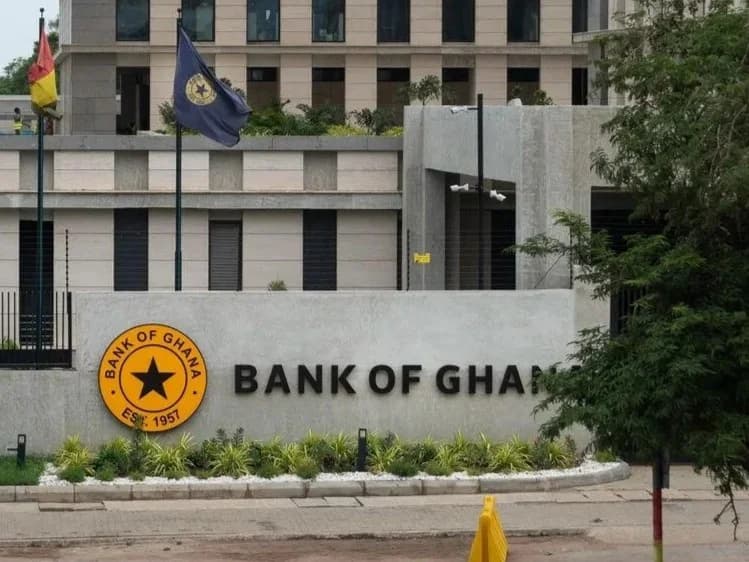
The Bank of Ghana (BoG) has initiated a significant crackdown on the nation's digital financial landscape, announcing imminent regulatory actions against unlicensed Digital Credit Service Providers (DCSPs). Following the expiration of a June 30 compliance deadline, the central bank warned that entities failing to regularize their operations will face legal consequences under applicable laws. This move is part of a broader effort to sanitize the fintech sector and protect consumers from unauthorized lenders. To facilitate public safety, the BoG has released detailed FAQs and committed to publishing an updated list of licensed providers on its official website, urging citizens to verify the status of any digital credit platform before engagement.
This tightening of oversight comes at a pivotal moment for the industry, illustrated by the recent challenges facing Zeepay, a homegrown fintech giant. Founded in 2014, Zeepay transformed Ghana's remittance sector by facilitating cross-border payments directly to mobile wallets, eventually raising approximately US$42 million in international investment. However, the recent revocation of its license by the Bank of Ghana has sent shockwaves through the ecosystem, raising critical questions regarding regulatory compliance and the sustainability of even the most successful digital payment infrastructures. The 'Zeepay saga' serves as a stark reminder that innovation must be matched with strict adherence to the central bank's evolving regulatory framework.
While the regulator focuses on compliance, industry experts are highlighting a parallel need for the fintech sector to address deepening gaps in financial inclusion, particularly among women. Despite Ghana ranking third globally in women's business ownership at 37.2%, the gender gap in financial account ownership is widening. Dr. Genevieve Sedalo and other advocates argue that the fintech industry must evolve to better serve this demographic by designing credit products that align with women's unique income patterns and digitizing traditional savings methods like 'susu.' Recommendations include localizing services in multiple languages and recruiting more female mobile money agents to build trust and bridge the digital divide.
As the Bank of Ghana enforces stricter standards, the future of the sector will likely depend on a balance between rigorous compliance and inclusive innovation. Stakeholders are calling for the deliberate funding of women-led fintech startups and the integration of digital finance into existing women’s networks to drive broader economic growth. Moving forward, the success of Ghana’s fintech landscape will be measured not only by the technological sophistication of its platforms but by its ability to provide secure, regulated, and equitable financial access to all segments of the population.
This story touches markets covered on Anansi Intelligence ↗.
More from business
Continue exploring similar stories


