••
Bank of Ghana Endorses COCOBOD’s Shift to Local Financing Amid 24-Hour Economy Expansion in Energy Sector
•3 min read•10 sources
The Bank of Ghana (BoG) has officially endorsed the Ghana Cocoa Board’s (COCOBOD) transition from traditional international syndicated loans to local market financing, marking a significant reform in the country's economic strategy. Governor Dr. Johnson Pandit Asiama described the move as a sustainable advancement that strengthens the national cocoa financing framework. Simultaneously, the National Petroleum Authority (NPA) is intensifying its monitoring of the "24-Hour Economy" pilot programme, with Chief Executive Godwin Kudzo Tameklo conducting nocturnal inspections of petroleum depots in Tema to evaluate operational efficiency and productivity gains under the new policy framework.
According to Dr. Asiama, the pivot to local capital markets for cocoa purchases will alleviate significant liquidity pressures on the Bank of Ghana’s balance sheet and reduce reliance on commercial banks, which often face regulatory lending limits. This structural change is viewed as a vital step in enhancing the efficiency of the cocoa sector while safeguarding the central bank from the massive liquidity injections typical of the previous syndicated loan system. The reform aligns with broader financial initiatives intended to ensure the long-term sustainability of Ghana's agricultural backbone while fostering deeper domestic capital markets.
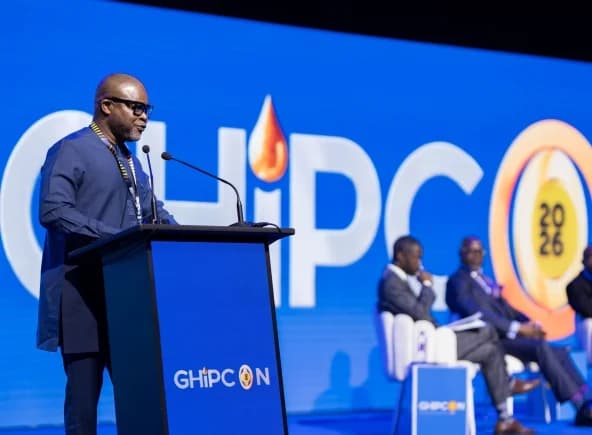
In the energy sector, the focus is shifting from debt management to productive growth as the government prepares for African Energy Week (AEW) 2026. Following an allocation of approximately $1.47 billion in 2025 to settle debts across the energy value chain, the narrative is moving toward natural gas production and domestic industrial use. Michael Bozumbil, CEO of PETROSOL Platinum Energy PLC, recently emphasized that strong governance and local content policies have been instrumental in the resilience of the downstream industry. This growth is being supported by the NPA’s implementation of the 24-hour economy, where early feedback from 11 depots and 247 retail outlets indicates improved output, though stakeholders have highlighted the need for enhanced security and infrastructure to support extended hours.
Beyond finance and energy, local government officials are actively pursuing international partnerships to address critical infrastructure gaps. Mrs. Grace Agyemang Asamoah, District Chief Executive for Atwima Kwanwoma, has engaged with leading Italian firms following the Italy-Ghana Water Technology Workshop in Accra. Her efforts aim to secure technical investment and innovative water treatment solutions to meet the growing demand for potable water in her district. These multifaceted developments—ranging from cocoa financing reforms to energy sector modernization and international water technology collaborations—underscore a concerted national effort to drive economic stability through local empowerment and strategic global partnerships.
This story touches markets covered on Anansi Intelligence ↗.
More from business
Continue exploring similar stories


