••
Black Sherif and Stonebwoy Secure Historic Wins at the 27th Telecel Ghana Music Awards
•2 min read•12 sources
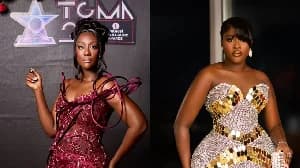
The 27th Telecel Ghana Music Awards (TGMA), held on May 9, 2026, at the Grand Arena, celebrated a historic night for Ghanaian music with record-breaking achievements and high-profile performances. Highlighting the evening was Black Sherif, who secured his second Artiste of the Year title and expressed his ambition to become the first Ghanaian artist to win the category three times in the future. Another significant milestone was reached by dancehall icon Stonebwoy, who won the Best Reggae/Dancehall Artiste award for the 10th consecutive year, fueled by the success of his album "Torcher." The event also marked a landmark 15-year partnership for headline sponsor Telecel, which has seen the awards grow into a pillar of Ghana’s creative economy, now contributing approximately 3% to the national GDP. While the night celebrated massive achievements, it was also marked by diverse wins across various genres. Medikal’s hit "Shoulder" was crowned the Telecel Most Popular Song of the Year, and he also took home the Hiplife/Hip-hop Artiste of the Year award. Gospel music saw strong representation, with Diana Hamilton winning Best Gospel Artiste and Kofi Owusu Peprah delivering an emotional dedication to his late father, Rev. George Owusu Mensah, after winning Best Urban/Contemporary Gospel Song for "Big God Afro." Beyond the awards, the ceremony served as a platform for cultural innovation, such as Afro-Jamaican artist Faith Barbee Eselebor unveiling her "African Barbee" fashion brand, showcasing a blend of music and African heritage. However, the event was not without its share of controversies and public debate. The "Daddy Lumba Tribute" segment faced heavy online criticism for its execution, leading to a public disagreement between producer Andy Dosty and filmmaker Kobi Rana over creative control and budget constraints. Medikal also faced social media backlash for dedicating his award solely to his son, Space, sparking discussions about his public acknowledgement of his other children. Furthermore, red carpet fashion choices became a point of contention; while Diana Hamilton and Deborah Vanessa were praised for their elegance, others like King Promise and Dr Likee were criticized for uninspiring looks. Even the hosting drew scrutiny when Regina Van Helvert’s line of questioning to actress Fella Makafui regarding her personal life was deemed inappropriate by some viewers. Despite these frictions, the 27th TGMA underscored the vibrant, complex, and economically vital nature of Ghana’s music industry.
This story touches markets covered on Anansi Intelligence ↗.
Related topic
Stonebwoy: Latest News & Updates →More from entertainment
Continue exploring similar stories


