••
Black Sherif Ignites 2026 with 'Pop Star' as Zen Garden and Industry Icons Shape Ghana's Entertainment Landscape
•3 min read•6 sources
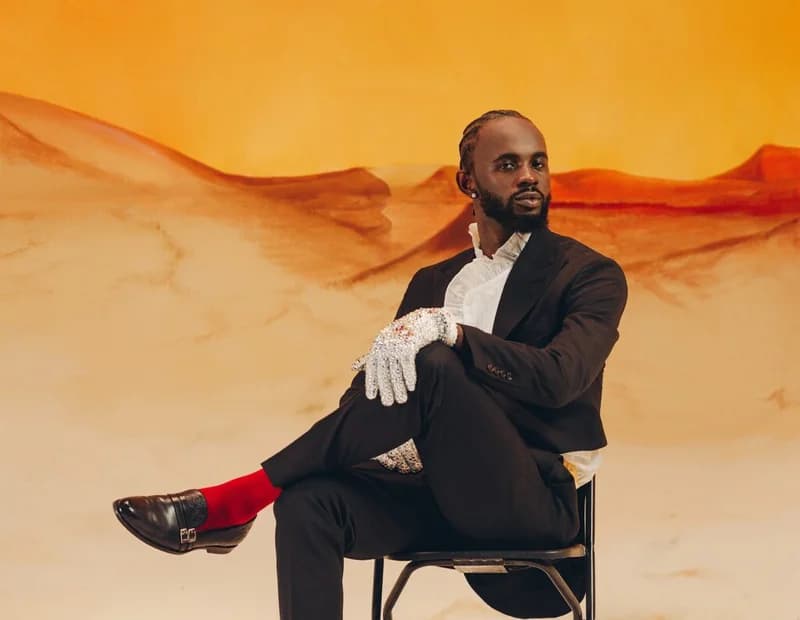
The Ghanaian entertainment industry has entered 2026 with a surge of activity, headlined by global sensation Black Sherif’s latest musical offering and significant institutional recognitions. Black Sherif, fresh off the massive success of his sophomore album 'Iron Boy,' has released his first single of the year, titled 'Pop Star.' This release coincides with Zen Garden Accra being named Ghana’s Best Live Music Venue by the Ministry of Tourism, Culture and Creative Arts in partnership with December in GH. These milestones underscore a period of significant growth and international visibility for Ghana’s creative economy, blending high-energy musical releases with the critical infrastructure that supports live performances.
Produced by Joker Nharnah under RBA/Empire, 'Pop Star' represents a pivotal moment for Black Sherif as he navigates the complexities of global fame. The track follows a remarkable year where 'Iron Boy' achieved critical acclaim, reaching #6 on Spotify UK and #10 on the Billboard World Albums chart. Reflecting on his journey, the artist noted that the song captures both the pressures of his rising profile and the internal drive that propels him forward. This momentum follows a string of sold-out shows across North America and Europe, which culminated in a massive homecoming concert in Accra that drew an estimated 30,000 fans, signaling his continued dominance in the music scene.
However, the intersection of music and politics remains a point of friction within the industry. Kwaku Osei Korankye Asiedu (KOKA), a member of the New Patriotic Party (NPP) communications team, has issued a stern warning against playing Stonebwoy’s music at party events. The controversy stems from Stonebwoy’s recent claims at a Black Stars fundraiser that his music contributed to the National Democratic Congress (NDC) 2024 victory. In sharp contrast to this political tension, Lydia Yaako Donkor, Director-General of the Criminal Investigation Department (CID), recently shared a more personal perspective on the industry. She affectionately referred to both Stonebwoy and Shatta Wale as her 'sons,' a relationship born from her involvement in their legal matters years ago, highlighting the deep personal ties that often exist behind the public personas of Ghana's biggest stars.
Amidst these individual successes and political debates, veteran Highlife star Bisa Kdei offered a reflective take on the sustainability of the industry, specifically regarding the frequent collapse of music groups. Drawing from his experience with the former group 'Boys In Serious Action,' Kdei attributed the failure of many ensembles to ego and a lack of unified vision. His insights come at a time when the Telecel Ghana Music Awards has reintroduced the Group of the Year category, indicating a renewed effort to encourage collaboration. As venues like Zen Garden continue to provide world-class platforms for local talent in Labone, the Ghanaian entertainment industry appears to be balancing its internal challenges with a clear ambition for global excellence.
This story touches markets covered on Anansi Intelligence ↗.
Related topic
NDC (National Democratic Congress): Latest News →More from entertainment
Continue exploring similar stories


