••
2026 BECE: National Leadership Urges Integrity Amid Logistical Challenges and Local Protests
•3 min read•13 sources
The 2026 Basic Education Certificate Examination (BECE) has commenced across Ghana, with over 620,000 candidates beginning their journey toward Senior High School (SHS) and Technical and Vocational Education and Training (TVET) institutions. High-ranking officials, including Education Minister Haruna Iddrisu and Vice President Naana Jane Opoku-Agyemang, have extended goodwill messages, urging students to approach the exams with confidence, honesty, and composure. While the Minority Caucus in Parliament and various regional leaders have commended the efforts of teachers and parents, the opening days of the assessment were marked by a combination of administrative directives and localized disruptions that highlighted the complexities of managing the national exercise.
During a monitoring tour of examination centers in the Western North Region, Education Minister Haruna Iddrisu expressed concern over logistical lapses. Following significant delays in the arrival of question papers at the Boako and Sefwi Wiawso centers—where some candidates waited while others had already begun—the Minister directed the Ghana Education Service (GES) and the West African Examinations Council (WAEC) to overhaul the transportation and handling of examination materials. In a move toward greater inclusivity, Mr. Iddrisu also instructed the GES to reserve a recruitment quota for teachers with disabilities, emphasizing that the education sector must reflect national values of equity and accessibility.
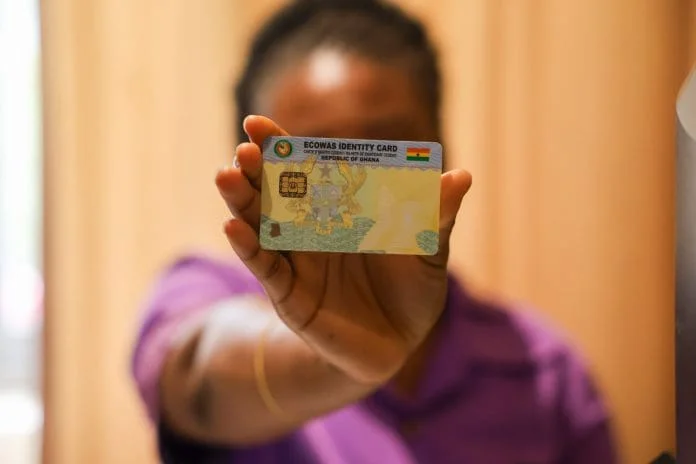
Integrity remained a central theme as stakeholders addressed the perennial issue of examination malpractice. Kofi Asare, Executive Secretary of Ghana Education Watch, voiced strong support for the arrest of individuals attempting to compromise the exam’s credibility, urging strict enforcement by security personnel. In the Lawra Municipality, MP Bede A. Ziedeng monitored centers and provided candidates with mathematical sets and meals, echoing calls for students to rely on honest effort rather than illegal assistance. These calls for discipline come at a time when the National Identification Authority (NIA) is simultaneously ramping up national identity efforts, resuming Ghana Card registration for children aged 6-14 in the Volta and Oti Regions to bolster the national database from an early age.
However, the examination period faced external friction in the Western Region. In the Shama District, residents of Nyankrom staged a protest over dilapidated road conditions, burning tires and blocking routes used by industrial trucks. This blockade left several BECE candidates and teachers stranded, prompting an urgent response from local authorities. Addressing the transition beyond the exams, Minister Iddrisu emphasized that resolving the challenges of the Computerised School Placement System (CSSPS) requires sustained investment in SHS infrastructure nationwide. As the BECE continues, the government maintains its commitment to ensuring a fair, transparent, and accessible path for all students toward secondary education.