••
UN Refugee Chief Barham Salih Visits Ethiopia’s Ura Settlement to Review Refugee Inclusion Model
•2 min read•1 source
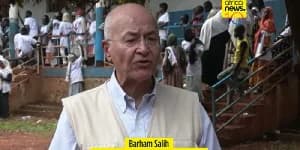
The United Nations High Commissioner for Refugees, Barham Salih, has conducted a high-profile visit to the Ura refugee settlement in Ethiopia’s Benishangul-Gumuz state, highlighting the critical role of inclusive humanitarian models in managing the fallout from Sudan’s civil war. Established in early 2024, the Ura settlement has quickly become a pivotal site for hosting individuals who have fled the escalating conflict across the border. The visit underscores the international community's recognition of Ethiopia’s efforts to integrate displaced populations into local systems rather than maintaining them in isolated camps. The ongoing civil war in Sudan has triggered one of Africa's most significant displacement crises in recent years, forcing a massive influx of refugees into neighboring Ethiopia. The Benishangul-Gumuz state, which shares a long border with Sudan, has seen a rapid increase in arrivals, necessitating the creation of dedicated spaces like Ura. Unlike traditional refugee camps, the Ura settlement is designed to foster a sense of community and economic participation, allowing those fleeing the violence to seek safety while maintaining a degree of self-sufficiency. At the heart of the Ura project is the concept of refugee inclusion, which aims to bridge the gap between emergency relief and long-term development. By treating refugees as active participants in the local economy and social fabric, the settlement serves as a blueprint for how host nations can manage large-scale displacement without overstretching national resources. During the visit, the High Commissioner observed firsthand the various programs aimed at providing education, healthcare, and livelihood opportunities to the Sudanese refugees, noting the collaborative efforts between the Ethiopian government and international aid agencies. As the conflict in Sudan shows few signs of abating, the success of the Ura settlement will be critical in determining the future of refugee management in East Africa. The international community continues to call for increased funding and support for such inclusion projects, which not only provide immediate sanctuary but also build resilience among displaced populations. The High Commissioner’s visit signals a commitment to scaling these models, ensuring that the dignity and potential of refugees are preserved even in the face of protracted regional instability.
This story touches markets covered on Anansi Intelligence ↗.
More from africa
Continue exploring similar stories


