••
Bank of Ghana mops up GH¢21.41 billion in liquidity ahead of 132nd MPC meeting
•3 min read•5 sources
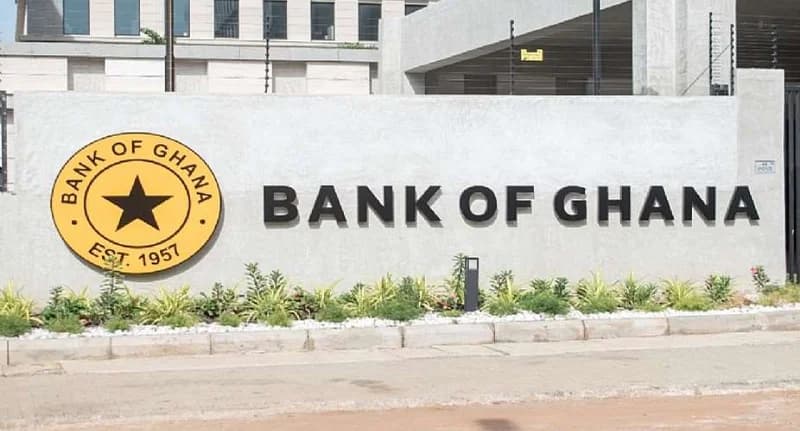
The Bank of Ghana has significantly tightened liquidity in the financial system, absorbing GH¢21.41 billion through two short-term tenders within a single week. This strategic move, executed just days before the 132nd Monetary Policy Committee (MPC) meetings scheduled for September 22-24, aims to manage excess funds in the banking sector and influence short-term money-market conditions. The central bank utilized 14-day Bank of Ghana Bills to facilitate the mop-up, signaling a proactive stance on monetary policy transmission as it prepares to announce its next policy decision.
The liquidity absorption was conducted in two distinct phases: an initial tender on Monday which accepted GH¢13.71 billion, followed by a second tender on Wednesday that withdrew an additional GH¢7.7 billion. Both operations carried an interest rate of 10.5%. Analysts suggest these measures are designed to temporarily sterilize liquidity and manage bank funding costs, ensuring that inflationary pressures are contained by reducing the volume of disposable cash within the banking system before the MPC convenes to review the nation's economic health.
Parallel to these central bank operations, the corporate credit market is showing signs of renewed vigor. Petrosol Platinum Energy PLC recently made a successful debut on the Ghana Fixed Income Market, issuing two sets of corporate bonds as part of a newly established GH¢200 million note programme. The issuance included five-year senior unsecured notes with a 17% fixed coupon rate and four-year bonds at 16.50%. Both instruments were oversubscribed, indicating strong investor appetite for corporate debt despite the central bank's efforts to tighten overall liquidity.
Looking toward long-term economic stability, Databank Research has revised its currency forecast, projecting the Ghana Cedi to reach GH¢12.20 against the US dollar by the end of 2026. This updated outlook reflects a 65-basis point improvement over previous estimates, driven by anticipated gains in gold mobilization, sustained repatriation of export proceeds, and enhanced reserve accumulation. These factors, combined with the Bank of Ghana's current liquidity management strategies, suggest a concerted effort by both regulators and market players to stabilize the macroeconomic environment.
As the MPC prepares to meet, the combination of aggressive liquidity management and a maturing corporate bond market provides a complex backdrop for policy makers. The upcoming decision on the Monetary Policy Rate will be closely watched by investors to see if the central bank will maintain its current trajectory or adjust its stance in response to the growing demand for credit and the optimistic long-term forecasts for the national currency.
Live rates
Bank of Ghana policy rate →

