••
Bank of Ghana and Financial Stakeholders Address Fraud Risks as 'Ride with MoMo' Expands Digital Payments
•3 min read•14 sources
Ghana's digital financial landscape is navigating a critical phase of expansion and security, as industry leaders work to bolster consumer trust amidst rising fraud concerns. During the maiden Digital Economy Forum, organized by Hubtel and JoyNews, stakeholders debated the theme "The Trust Crisis: Why Fraud Is Holding Back Ghana’s Digital Economy." While the Bank of Ghana (BoG) reports that the country’s digital payment ecosystem processes a staggering 10 billion transactions valued at GH"4.5 trillion, the rise of fraudulent activities poses a potential threat. Data from 2024 indicates over 16,700 fraud cases were reported, putting nearly GH"100 million at risk and prompting calls for immediate, coordinated action to safeguard the nation's digital transformation.
Elhanan Owureku Asare, Head of Fintech and Innovation at the Bank of Ghana, asserted that while the figures are noteworthy, the country is not currently in a trust crisis. He emphasized that fraud remains a small percentage of overall transaction volumes but urged for increased vigilance and investment in artificial intelligence and data analytics to detect threats proactively. This perspective was balanced by John Awuah, CEO of the Ghana Association of Banks, and Kwami Tamakloe of MobileMoney Fintech Limited, who both warned of emerging signs of consumer hesitation. They argued that even a single fraud incident could lead to a decline in confidence, advocating for a zero-tolerance approach and a unified ecosystem response to protect the public.
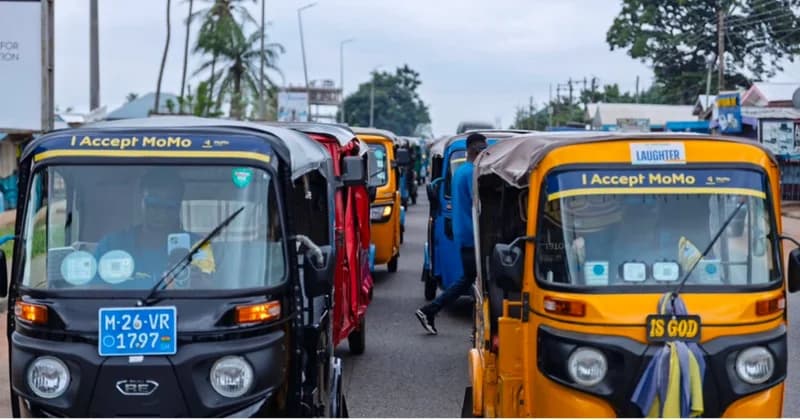
Simultaneous with these security discussions, practical steps are being taken to deepen financial inclusion through the "Ride with MoMo" campaign. This initiative, a partnership between MobileMoney Fintech Ltd and the Ghana Interbank Payment and Settlement Systems (GhIPSS), aims to transition commercial and ride-hailing drivers from cash-based transactions to digital payments via the GhQR platform. Launched in Accra and extending to Ho, the campaign promotes the MoMo Merchant Wallet, which helps drivers separate business and personal income while building a formal financial history. CEO Shaibu Haruna noted that this transition not only enhances safety and traceability for both drivers and passengers but also allows informal transport operators to better structure their businesses for future growth.
The intersection of these initiatives underscores the dual challenge of Ghana's digital economy: scaling adoption while hardening defenses. Industry experts at the forum concluded that the future of digital finance in Ghana depends on robust public education and the adoption of advanced technologies to stay ahead of fraudsters. As more sectors of the informal economy, such as transport, move toward formalization, the synergy between regulatory oversight and technological innovation will be the primary driver of a secure and inclusive digital future.
This story touches markets covered on Anansi Intelligence ↗.
More from business
Continue exploring similar stories


