••
Politics of the Purse: Dr. Gideon Boako and Amin Adam Challenge Bank of Ghana’s GH¢15.6 Billion Loss
•3 min read•16 sources
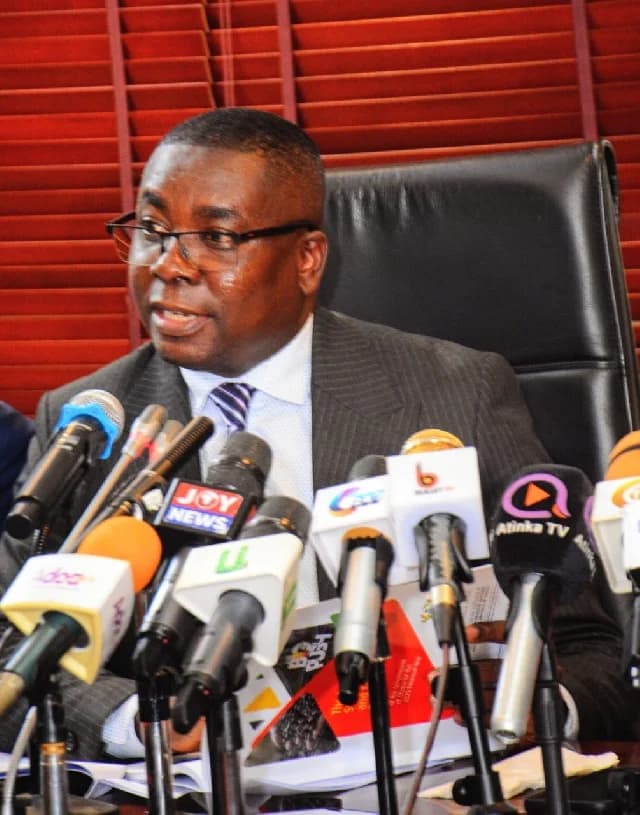
The Bank of Ghana (BoG) is facing intense political scrutiny after reporting a staggering operational loss of GH¢15.6 billion for the 2025 financial year. This figure, marking the second-largest loss since the Cedi redenomination in 2008, has been characterized by Dr. Gideon Boako, MP for Tano North and member of the Finance Committee, as a direct consequence of 'policy failure' and politically motivated decision-making. Dr. Boako expressed surprise that such a massive loss occurred in a non-crisis year, particularly after the central bank showed signs of financial recovery in 2024. He alleged that the new management reversed prior gains, prioritizing political objectives over economic stability, thereby undermining the bank’s institutional credibility.
Beyond the official figures, both Dr. Boako and former Finance Minister Mohammed Amin Adam have accused the central bank of masking the true extent of its financial distress. Dr. Boako asserts that if Other Comprehensive Income (OCI) is included, the total loss actually reaches GH¢34.95 billion, and could climb as high as GH¢44.52 billion if proceeds from gold sales are excluded. Dr. Amin Adam further alleged that the bank used the sale of approximately 18 tonnes of gold—generating GH¢40.3 billion—to cushion the reported deficit. He argued that without these gold sales, which he claims undermined a policy to build reserves, the net loss would have exceeded GH¢25 billion, warning that such maneuvers hide structural weaknesses in the bank's balance sheet.
Specific criticisms have also been leveled against the BoG’s liquidity management and its relationship with commercial banks. Dr. Boako claimed that the cost of Open Market Operations (OMO) doubled from GH¢8.2 billion in 2024 to GH¢16.73 billion in 2025, a shift he described as a 'wealth transfer' of public resources to commercial banks. He questioned the IMF’s role in Ghana’s recovery, criticizing the Fund for failing to curb unsustainable quasi-fiscal operations. According to Boako, the current management’s strategy of injecting liquidity only to recapture it at high interest rates has created 'policy-manufactured losses' that benefit private banks at the expense of the state.
As the debate intensifies, Dr. Boako feels vindicated, noting that his earlier warnings regarding the 'GoldBod' program and exchange rate practices—which were previously dismissed as political—have been confirmed by the 2025 audited accounts. The controversy highlights a growing demand for greater transparency and accountability within the central bank. Critics warn that if the Bank of Ghana continues to prioritize appearance over effective balance sheet management, the resulting erosion of public and investor confidence could have long-term negative implications for Ghana’s financial system and broader economic resilience.
This story touches markets covered on Anansi Intelligence ↗.
Live rates
Ghana gold price →More from politics
Continue exploring similar stories


