••
Chief Justice Baffoe-Bonnie Faces Petitions Over Decision to Conduct High-Profile Criminal Trials During Judicial Vacation
•2 min read•8 sources
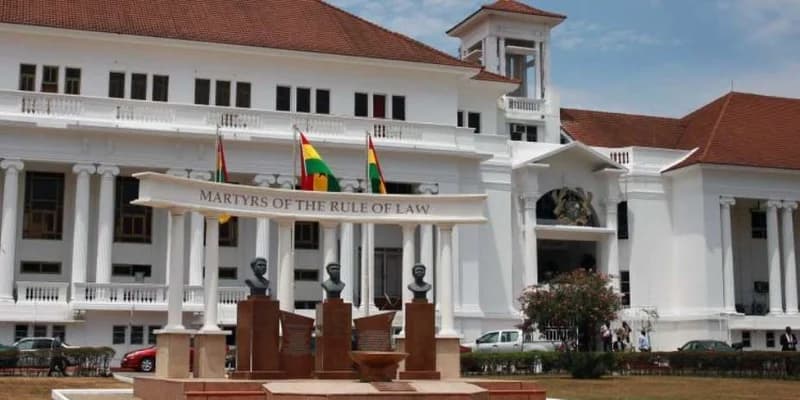
Chief Justice Paul Baffoe-Bonnie has sparked a significant legal debate following his decision to permit specific high-profile criminal trials to proceed during the traditional judicial vacation. This directive led Justice Francis Achibonga to schedule hearings for Hanan Abdul-Wahab and Kwabena Adu-Boahene for mid-August, after obtaining clearance from the Chief Justice. While the move appears intended to expedite the delivery of justice in corruption-related matters, it has met with stiff resistance from defense teams who argue that the arrangement deviates from established judicial norms and constitutional protections.
Lawyers representing Abdul-Wahab and Adu-Boahene, including prominent legal figures Samuel Atta Akyea and Godfred Yeboah Dame, have formally petitioned the Chief Justice to reverse the ruling. Their petitions contend that vacation courts are traditionally reserved for motions and interlocutory matters rather than full criminal trials. The legal teams further argue that the sudden scheduling violates their clients' right to legal representation, as many of their lawyers have prior commitments during the break. They cautioned that selectively continuing specific cases could create a perception of unequal treatment within the Ghanaian justice system, urging a withdrawal of the warrants authorizing these sittings.
In contrast, the Chief Justice’s decision has found support among anti-corruption advocates and legal scholars who prioritize judicial efficiency. Investigative journalist Manasseh Azure Awuni expressed strong approval of the move, suggesting that corruption trials should ideally continue even through holidays like Christmas to prevent systemic delays. Similarly, Professor Stephen Kwaku Asare dismissed allegations of selective case assignment as "simply false," clarifying that the designation of vacation judges is a customary practice. Prof. Asare emphasized that judges maintain discretionary powers in managing their calendars and advocated for a transition to year-round court sittings.
The controversy has reignited a broader discussion regarding the relevance of the annual long judicial vacation in Ghana. Anti-corruption campaigner Vitus Azeem criticized the practice as outdated, noting that it exacerbates the significant backlog of cases in the superior courts. Azeem argued that the historical justifications for the break are no longer valid and proposed a rotational leave system for judges to ensure the court remains operational throughout the year. As the judiciary balances the need for speed against the procedural rights of the accused, this standoff underscores a growing demand for structural reforms within the country's legal administration.
This story touches markets covered on Anansi Intelligence ↗.
More from politics
Continue exploring similar stories


