••
Ayawaso East NDC Primary Under Scrutiny Following High-Profile Vote-Buying Allegations and Diplomatic Recall
•3 min read•7 sources
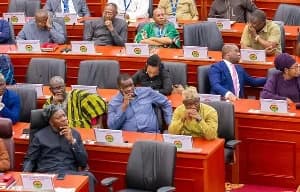
The National Democratic Congress (NDC) is grappling with a significant internal crisis following its recent parliamentary primary in the Ayawaso East constituency. The election has been marred by widespread allegations of vote-buying, with reports indicating that delegates were induced with 32-inch television sets, motorbikes, and substantial cash payments. The controversy reached a climax when President John Mahama recalled the winning candidate, Mohammed Baba Jamal Ahmed, from his diplomatic post as Ghana’s High Commissioner to Nigeria. This move, coupled with the party's decision to launch a formal investigation, has placed the integrity of the primary under intense national scrutiny.
In response to the growing scandal, the NDC has established a three-member investigative committee led by Kofi Totobi Quakyi. The committee is tasked with probing the inducements allegedly distributed by the camp of Baba Jamal Ahmed and is expected to deliver its findings by February 10, 2026. While Baba Jamal has rejected the claims of illegality and pledged his full cooperation with the probe, the NDC Majority Caucus in Parliament has already called for the total annulment of the primary results. The caucus, led by Mahama Ayariga, is advocating for the disqualification of any aspirants found to have engaged in transactional politics, emphasizing that such practices compromise the party's ethical standing.
The fallout has drawn sharp criticism from across the political spectrum. Richard Ahiagbah, Director of Communications for the New Patriotic Party (NPP), warned that the alleged bribery in Ayawaso East threatens the very foundations of Ghana’s democracy. Similarly, Ghana’s Ambassador to the U.S., Victor Emmanuel Smith, condemned the distribution of gifts, labeling it as a form of corruption that leads to compromised governance. Conversely, Edem Senanu, Chairperson of the African Union Advisory Board Against Corruption, lauded the NDC for its swift investigative response, urging other political entities to adopt similar transparency and accountability measures when faced with internal misconduct.
As the investigation nears its conclusion, the focus shifts to the broader electoral calendar. The Electoral Commission (EC) has scheduled an Inter-Party Advisory Committee (IPAC) meeting for February 11, 2026, to discuss the organization of the upcoming Ayawaso East by-election. The outcome of the NDC’s internal probe will be pivotal in determining whether the party will field a new candidate or seek a rerun of the primary. This case serves as a critical test for Ghana’s political institutions as they navigate the fine line between campaign inducements and the preservation of electoral integrity.
Related topic
NDC (National Democratic Congress): Latest News →

