••
39th African Union Summit Concludes with New Leadership and Landmark Agreement to Transform Continental Agricultural Trade
•3 min read•16 sources
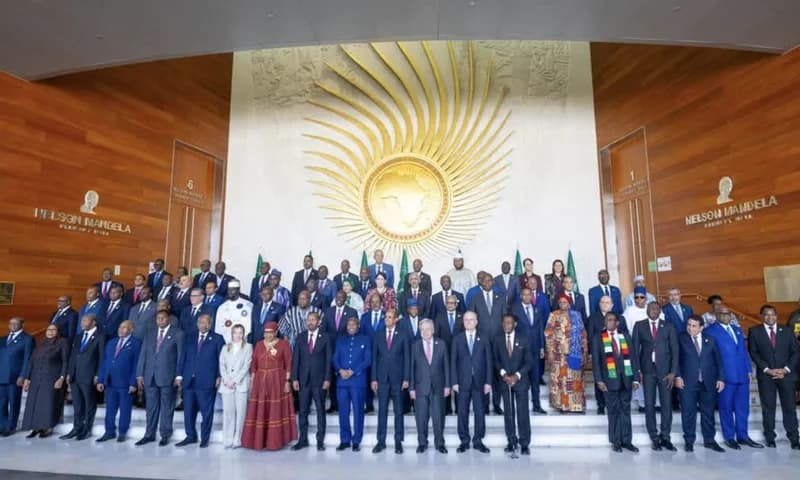
The 39th Ordinary Session of the Assembly of the African Union (AU) has concluded in Addis Ababa, Ethiopia, marking a significant shift in continental leadership and a renewed commitment to economic integration. A major highlight of the summit was the election of former Ghanaian President John Dramani Mahama as the First Vice Chairperson of the African Union. The Assembly also welcomed President Évariste Ndayishimiye of Burundi as the designated Chairperson for 2026, succeeding Angola’s João Manuel Gonçalves Lourenço. Under the theme "Assuring Sustainable Water Availability and Safe Sanitation Systems to Achieve the Goals of Agenda 2063," the summit addressed critical issues ranging from geopolitical stability and institutional reforms to historical justice and food systems transformation.
Parallel to the political transitions, a landmark Memorandum of Understanding (MoU) was signed between the African Continental Free Trade Area (AfCFTA) Secretariat and AGRA (formerly the Alliance for a Green Revolution in Africa). AfCFTA Secretary-General Wamkele Mene emphasized that this partnership represents a historic opportunity to move the continent away from its reliance on exporting raw commodities. By focusing on adding value to produce within Africa, the agreement seeks to establish robust regional value chains that foster job creation, enhance farmer incomes, and ensure long-term food security. With 50 countries having now ratified the AfCFTA agreement, the focus has shifted decisively from legal frameworks to the practical execution of a unified African market.
The collaboration specifically targets the implementation of the AfCFTA Agri-Trade Action Plan, which aims to dismantle non-tariff barriers and improve trade facilitation for producers, processors, and consumers. AGRA President Alice Ruhweza highlighted that the partnership is designed to turn high-level policies into tangible results for smallholder farmers, who have been the focus of AGRA’s innovation efforts since 2006. By connecting these farmers to reliable markets and ensuring they meet international quality standards, the initiative aims to boost the competitiveness of African agricultural products both within the continent and globally.
As the 39th Ordinary Session closed, the Assembly reaffirmed its dedication to the goals of Agenda 2063, emphasizing that economic resilience and inclusive growth are dependent on integrated markets and sustainable resource management. The transition in leadership and the strategic focus on agricultural trade signal a proactive approach to addressing Africa's challenges. Moving forward, the success of these initiatives will depend on the continued coordination of African positions in global governance and the effective mobilization of investments into regional agricultural infrastructure to turn the vision of a self-sufficient, trading continent into a reality.
This story touches markets covered on Anansi Intelligence ↗.
More from africa
Continue exploring similar stories


