••
AU Launches High-Level Presidential Committee to Accelerate AfCFTA Implementation
•2 min read•1 source
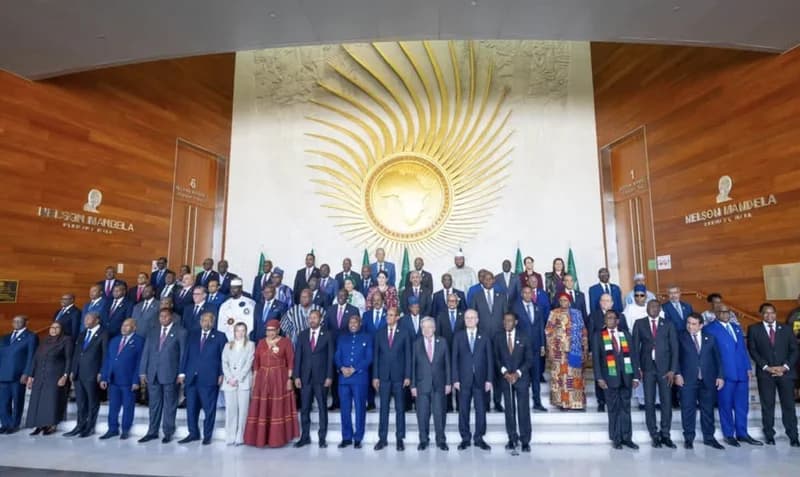
The African Union (AU) has officially inaugurated a Committee of Heads of State and Government to spearhead the transition of the African Continental Free Trade Area (AfCFTA) from the negotiation phase to full implementation. This strategic move, announced during the 39th Ordinary Session of the AU Assembly, marks a critical pivot in the continent's efforts to operationalize the world's largest free trade area. By providing high-level political leadership, the committee aims to dismantle existing trade barriers and ensure that the framework agreement translates into tangible economic benefits for member states and their citizens.
President William Ruto of Kenya has been appointed to chair the newly formed committee, underscoring the continental importance of the initiative. During the inauguration, President Ruto emphasized the urgent need for robust political support to unlock the AfCFTA’s vast potential for economic growth and investment. The committee, which includes leaders from various African nations, is charged with driving industrial capability across the continent and fostering an environment where intra-African trade can thrive. This initiative is designed to move beyond policy discussions and toward practical, market-driven results that can withstand global economic shifts.
Since entering its operational phase in 2019, the AfCFTA has successfully established essential legal frameworks and institutional mechanisms. Secretary-General Wamkele Mene highlighted the importance of this new presidential oversight in reducing Africa's long-standing dependency on external markets and enhancing self-sufficiency. The inaugural meeting also paid tribute to the significant groundwork laid by former Niger President Issoufou Mahamadou. A key focus moving forward will be deepening engagements with African Development Finance Institutions to provide the necessary financial backing for large-scale trade infrastructure and industrialization projects.
As Africa moves toward a more integrated economic future, the committee’s success will be measured by its ability to resolve logistical challenges and harmonize trade regulations across borders. The transition to active implementation signals a commitment to regional resilience and collective prosperity. By prioritizing industrialization and inclusive growth, the AU aims to leverage the AfCFTA as a primary catalyst for sustainable development, ultimately aiming to improve the livelihoods and economic security of millions across the African continent.
This story touches markets covered on Anansi Intelligence ↗.
More from africa
Continue exploring similar stories


