••
Ashanti Region Intensifies Food Security Drive with Poultry Distribution and Irrigation Projects
•2 min read•3 sources
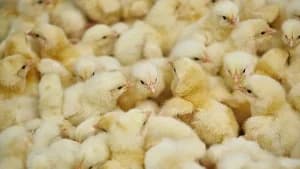
The Ashanti Regional Directorate of Agriculture has launched a dual-pronged strategy to bolster food security and local productivity through the 'Nkoko Nketenkete' poultry program and expanded irrigation infrastructure. Led by Regional Director Dr. David Anambam, the initiatives aim to reduce the region's dependence on imported food while empowering smallholder farmers. Central to this effort is the distribution of 250,083 day-old chicks—comprising 137,788 broilers and 112,295 layers—alongside 5,581 bags of chick mash to support early-stage brooding. So far, 200 farmers have received initial batches of 50 chicks each, with plans to expand distribution through Metropolitan, Municipal, and District Assemblies (MMDAs).
The livestock initiative is designed to yield immediate results for household nutrition and local markets. According to Dr. Anambam, the broilers are expected to be ready for consumption within eight weeks, while the layers are projected to begin egg production by April. By boosting local poultry capacity, the directorate hopes to significantly lower the reliance on imported frozen chicken. To ensure the long-term viability of these efforts, the regional veterinary services are being strengthened, with a specific focus on animal health and production standards leading into 2026.
In tandem with livestock support, the directorate is prioritizing irrigation development to transition the region away from its current 65% reliance on rain-fed agriculture. Under the Food Systems and Resilience Programme (FSRP), new irrigation systems are slated for construction in the Sekyere East and Atwima Nwabiagya North districts. These projects are intended to facilitate year-round farming, specifically targeting a significant increase in rice yields and general crop performance. Dr. Anambam has also called for increased private sector investment in irrigation to complement government efforts and modernize the region's agricultural landscape.
Beyond production, the directorate is implementing a comprehensive post-harvest and marketing strategy. Smallholder farmers are receiving specialized training to reduce post-harvest losses and maintain crop quality, which is essential for stabilizing food supplies by 2026. Furthermore, the establishment of farmer cooperatives is underway to enhance the collective marketing power of local growers. By fostering direct connections between these cooperatives and the national School Feeding Programme, the directorate aims to provide farmers with a guaranteed market, thereby addressing the price uncertainties that often discourage large-scale agricultural investment.
This story touches markets covered on Anansi Intelligence ↗.
More from africa
Continue exploring similar stories


