••
Dr. Albert Antwi-Boasiako Warns Social Engineering is Ghana's Weakest Link in Digital Fraud Fight
•2 min read•2 sources
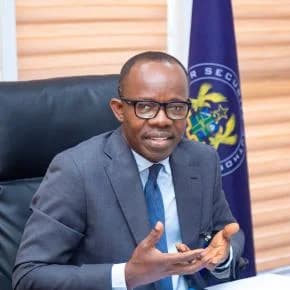
Dr. Albert Antwi-Boasiako, the founder of the e-Crime Bureau and a prominent voice in Ghana’s cybersecurity landscape, has identified social engineering as the most significant vulnerability in the nation's fight against digital fraud. As Ghana's digital economy continues its rapid expansion, Dr. Antwi-Boasiako warns that the exploitation of human psychology—specifically trust and fear—remains the primary method used by cybercriminals to bypass technical security measures. With digital payment adoption on the rise, the scale of the threat is becoming increasingly evident; data indicates that reported fraud cases reached 16,733 in 2024, reflecting a sharp escalation in risks as internet usage permeates more aspects of daily life.\n\nThe tactics employed by fraudsters have evolved significantly, moving far beyond traditional suspicious telephone calls. Dr. Antwi-Boasiako notes that modern social engineering now incorporates sophisticated phishing links, the creation of fake online identities, and the use of cloned social media accounts to deceive unsuspecting victims. These methods are designed to manipulate individuals into voluntarily relinquishing sensitive information or authorizing fraudulent transactions. According to reports from the Bank of Ghana, the rise in these cases corresponds directly with the growing popularity of digital finance platforms, suggesting that human vulnerability is being industrialized by criminal networks.\n\nSpeaking in the context of the Digital Economy Forum, Dr. Antwi-Boasiako emphasized that addressing this trust crisis requires more than just technical solutions. He argues that because social engineering targets human behavior, the defense must also be human-centric. This involves a shift from viewing cybersecurity as a purely IT issue to understanding it as a societal challenge. The growth of Ghana’s digital landscape is at a critical juncture where the benefits of financial inclusion must be balanced against the necessity of protecting citizens from increasingly complex digital scams.\n\nTo ensure the sustainable growth of the digital economy, Dr. Antwi-Boasiako is calling for a model of collective responsibility. This approach mandates that the government, private businesses, and individual citizens work in concert to build a resilient ecosystem. He stresses that heightened awareness and comprehensive consumer education are the most effective tools for empowering users to recognize and resist manipulative tactics. Moving forward, the focus must remain on fostering a culture of digital vigilance, where every participant in the digital economy is equipped with the knowledge to safeguard their information and assets.
This story touches markets covered on Anansi Intelligence ↗.
More from technology
Continue exploring similar stories


