••
University of Ghana Vice-Chancellor Prof. Nana Aba Appiah Amfo Champions Inclusion of African Languages in Global AI Development
•2 min read•3 sources
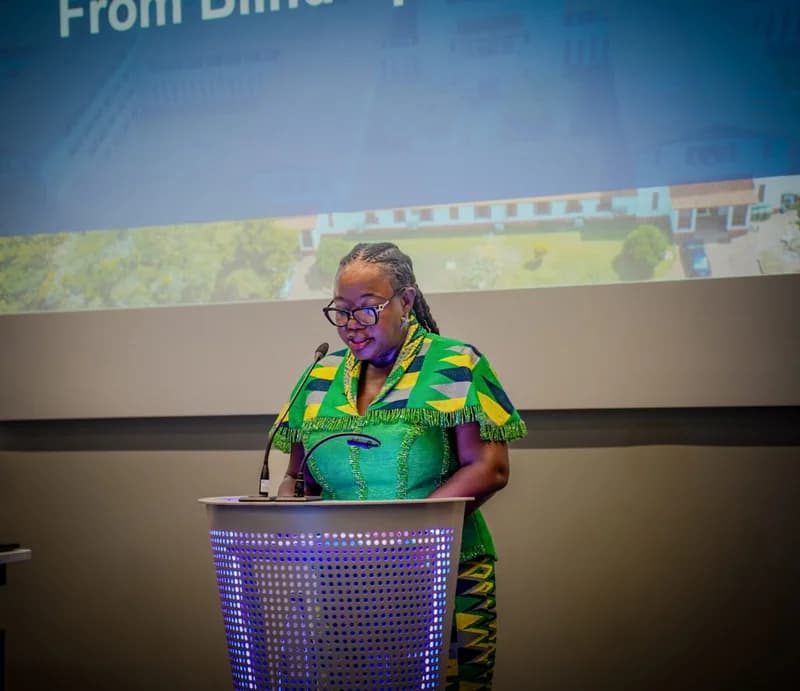
Professor Nana Aba Appiah Amfo, Vice-Chancellor of the University of Ghana, has issued a powerful call for the integration of African languages and knowledge systems into the global development of artificial intelligence (AI). Delivering the Fifth Warwick Distinguished Africa Lecture at the University of Warwick on June 11, 2026, Prof. Amfo warned that the continent risks significant marginalization in the ongoing AI revolution if its unique linguistic identities are ignored. She emphasized that representation is not merely a technical requirement but a fundamental matter of equity and justice, noting that AI systems must serve the entire global population rather than a privileged subset.
Highlighting Africa’s vast linguistic richness—comprising over 2,000 languages spoken by 1.4 billion people—the Vice-Chancellor pointed to a UNESCO report that characterizes African languages as a "blind spot" in current AI frameworks. This underrepresentation has practical consequences; Prof. Amfo shared insights from the development of "Nana Aba AI," a local voice assistant that struggled to accurately recognize and process Ghanaian names and cultural expressions. This lack of visibility in training datasets ensures that existing AI models often fail to grasp the complexities of African communication, further widening the digital divide between the continent and the rest of the world.
To address these challenges, Prof. Amfo urged African nations to transition from being passive consumers of technology to becoming active contributors and architects of AI frameworks. This vision aligns with Ghana’s recently launched National AI Strategy, which seeks to position the country as a regional leader in the field. The strategy includes ambitious plans for the establishment of a dedicated AI computing center to provide the necessary infrastructure for localized technological innovation. By taking a proactive stance, Ghana aims to ensure that AI development is rooted in the specific socio-cultural context of its people.
As part of its commitment to this digital future, the University of Ghana is set to launch a mandatory Digital Literacy and Applied AI course for all students. This initiative is designed to equip the next generation of Ghanaian graduates with the proficiency required to navigate and shape emerging technologies. Prof. Amfo concluded her lecture by reinforcing the necessity of academic and policy interventions that prioritize African voices, ensuring that the future of AI is inclusive, representative, and reflective of the world’s diverse knowledge systems.
This story touches markets covered on Anansi Intelligence ↗.
More from education
Continue exploring similar stories


