••
AMA MCE and Architectural Society Urge Collaborative Action on Sanitation and Urban Sustainability
•2 min read•3 sources
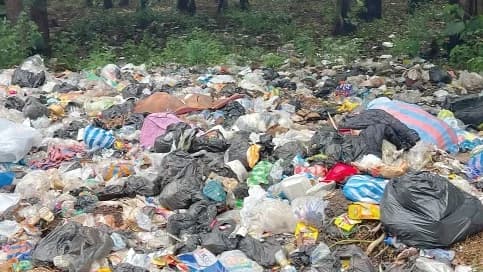
Ghana is witnessing a renewed push for environmental discipline and sustainable urban development as local authorities, environmentalists, and professional bodies call for greater accountability in waste management and infrastructure design. During the 2026 World Clean-up Day celebrations and the Architecture and Built Environment Conference (ABEC), stakeholders emphasized that transforming Ghana’s landscape requires a shift from periodic interventions to a culture of daily responsibility and professional collaboration across all sectors of society.
In Accra, Metropolitan Chief Executive (MCE) Michael Kpakpo Allotey has challenged traders to integrate cleanliness into their daily business routines rather than treating it as an occasional activity. Speaking at Rawlings Park, Allotey likened hygiene to basic household chores, stressing that a clean environment is essential for a thriving marketplace. To support this cultural shift, the government announced initiatives to provide separate waste bins and establish dedicated waste transfer stations to streamline collection. Traditional leaders at the event echoed these sentiments, calling for community-led efforts to sustain sanitation standards beyond organized national events.
While Accra focuses on urban markets, northern Ghana faces critical environmental threats due to indiscriminate waste disposal in protected areas. In Tamale, the Nyohini and Gumani forest reserves have become targets for illegal dumping, with plastic waste and refuse accumulating along major roads. Environmentalist Joseph W. Abakari warned that this neglect endangers local biodiversity, air quality, and vital water sources. Concerned residents have reported unbearable odors, leading to calls for local authorities and traditional rulers to collaborate on stricter enforcement and improved waste management infrastructure to protect these vital green zones.
Addressing these systemic issues requires a long-term vision for the built environment, a goal championed by the Architectural Society of Ghana (ASG). At the ABEC 2026 conference, Acting President Charles Amissah-Koomson advocated for an inclusive architectural profession that works closely with government and communities to tackle housing and sustainability challenges. The consensus across these various sectors is clear: whether through individual discipline in local markets or professional rigor in urban planning, Ghana’s future depends on moving beyond dialogue toward practical, lasting solutions for a cleaner and more resilient nation.

