••
Dorimon and Kintampo Authorities Lead Massive National Sanitation Day Exercises
•2 min read•4 sources
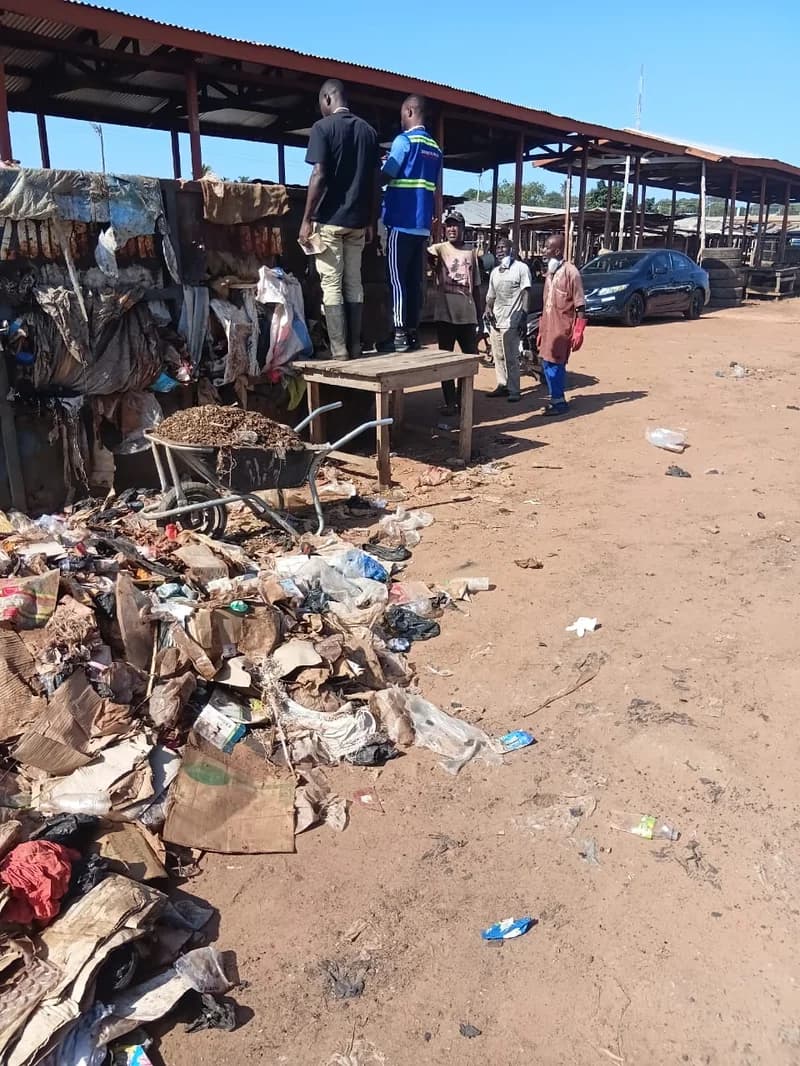
Local authorities and traditional leaders across the Wa West District and Kintampo Municipality have spearheaded intensive communal clean-up exercises to commemorate National Sanitation Day. In the Upper West Region, the Paramount Chief of the Dorimon Traditional Area, Naa Alhaji Seidu Tungbani Salinbile II, joined the Wa West District Chief Executive (DCE), Richard Wullo, to lead a massive mobilization effort. Similarly, in the Bono East Region, the Kintampo Municipal Assembly organized a six-hour intensive cleaning operation involving local government officials, security personnel, and community members to address deteriorating sanitary conditions in market centers and public spaces.
In Dorimon, the exercise was marked by a strong call for discipline and accountability. Naa Salinbile II actively participated in the physical labor, emphasizing that environmental cleanliness is a shared responsibility that requires consistent community involvement. The Paramount Chief and DCE Wullo issued a stern warning to residents and local sub-chiefs, indicating that future clean-up efforts would include sanctions for those who fail to comply with sanitation directives. District Environmental Health Officer Edward Yendow noted that the initiative is part of a broader strategy to improve public health by focusing on effective plastic waste management and the desilting of choked drains.
The Kintampo Municipal Assembly's exercise saw a collaborative effort between the assembly and security agencies, including the police. Municipal Chief Executive Isaac Donkor reaffirmed the government's commitment to robust waste management systems, highlighting that such exercises are vital for preventing disease outbreaks. Police Commander Chief Superintendent Ofori Boateng praised the participants for their civic dedication, though the exercise was not without challenges. Assistant Municipal Environmental Health Director Wuni Fatima expressed significant disappointment over the low turnout among traders and market women, who are often the primary users of the areas being cleaned.
These nationwide efforts reflect a growing push by local governments to institutionalize sanitation as a regular practice rather than an occasional event. While the leadership of traditional rulers like the Dorimon Naa provides a powerful cultural impetus for communal labor, officials in both districts stressed that long-term success depends on the voluntary participation of all citizens. Moving forward, authorities plan to strengthen enforcement of sanitation by-laws to ensure that the progress made during these exercises is maintained and that the burden of keeping public spaces clean is shared equitably across the community.