••
Tech Giants Alphabet and Tesla Face AI Spending Crunch Amid Global Energy Surges and Mega-Merger Hurdles
•3 min read•11 sources
The global business landscape is currently being reshaped by massive capital expenditures in artificial intelligence, causing significant financial shifts for industry leaders. Alphabet, the parent company of Google, recently reported its first negative free cash flow in a decade, dropping to -$5.9 billion as AI infrastructure spending is projected to reach $205 billion this year. Similarly, Tesla reported a negative free cash flow of $1.1 billion, with CFOs from both companies describing the aggressive spending as essential for long-term dominance. This financial pressure is compounded for Alphabet by investor scrutiny following the delayed launch of its Gemini 3.5 Pro AI model, while Tesla CEO Elon Musk has fueled further speculation by hinting at a potential merger with SpaceX to leverage growing operational overlaps in AI and semiconductor development.
In the media and entertainment sector, a landmark $110 billion merger between Paramount Skydance and Warner Bros Discovery has received conditional approval from the European Commission. However, the deal remains in limbo within the United States, where a coalition of 12 states has filed a lawsuit to block the acquisition, citing potential harm to the theater industry and consumer choice. U.S. Judge Araceli Martínez-Olguín has temporarily paused the merger to address these legal claims. The delay carries significant financial risks, as Paramount could face daily fees of $7 million to Warner Bros shareholders if the deal is not finalized by its looming deadline. Amidst this, the Writers Guild of America continues to voice strong opposition, concerned about the merger's impact on industry wages and job security.
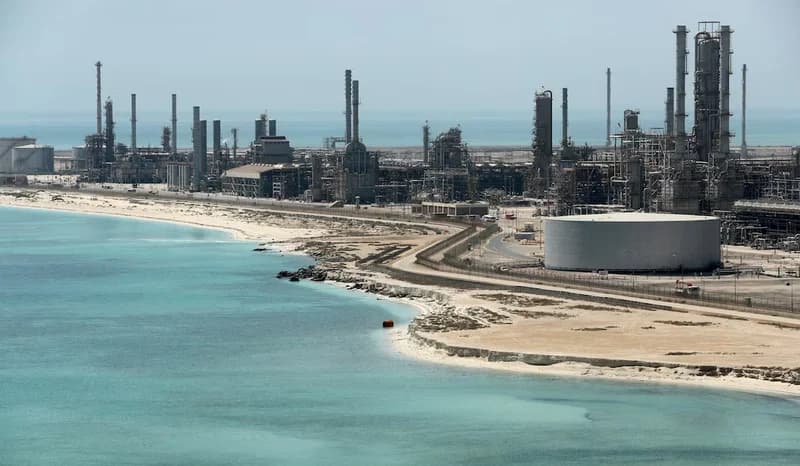
Energy markets are simultaneously experiencing heightened volatility, with Brent crude futures surging toward $96 per barrel—a six-week high. This price spike is largely driven by escalating geopolitical tensions, including U.S. military strikes on Iranian targets and threats from Houthi rebels against Red Sea oil tankers. Despite these disruptions, long-term energy infrastructure remains a priority for regional players. Iraq's oil minister, Basim Mohammed, recently announced $200 billion in agreements with U.S. companies aimed at boosting production capacity and gas projects. In Africa, Gabon is deepening its industrial ties with France through an agreement with Eramet to process 700,000 tonnes of manganese ore locally by 2031, marking a strategic shift toward domestic value addition.
In the retail sector, Nike is pivoting its strategy in Greater China to combat a 17% decline in regional sales and stiff competition from local brands like Anta and Li Ning. Starting in January, Nike will restrict wholesale distributors from selling its products online, forcing consumers toward official platforms to maintain premium pricing and brand trust. These diverse developments—from the AI-driven cash burn at Alphabet to Nike's retail restructuring and the high-stakes legal battles over media consolidation—reflect a global corporate environment forced to balance aggressive technological innovation with complex regulatory and geopolitical realities.
This story touches markets covered on Anansi Intelligence ↗.
More from business
Continue exploring similar stories


