••
Kissi Agyebeng Urges Civil Society to Safeguard OSP Amid Growing Political Pressure and Existential Threats
•3 min read•12 sources
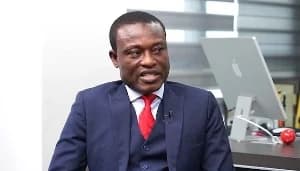
Special Prosecutor Kissi Agyebeng has issued a passionate plea to civil society organizations and the Ghanaian public to safeguard the Office of the Special Prosecutor (OSP), warning that the institution faces significant existential threats from political actors. Speaking at a National Dialogue, Agyebeng revealed that the OSP is increasingly viewed as "bad news" by politicians who perceive its accountability mandate as a direct threat to their interests. This call for protection comes at a critical juncture as Agyebeng disclosed he has begun "counting his days" toward the end of his tenure, emphasizing that the institution’s survival must transcend the term of any individual officeholder and the goodwill of any sitting president.
The Office has recently navigated a tumultuous period, with Agyebeng describing 2025 as the OSP's most challenging year due to persistent legal and political hurdles. These challenges included a Private Member’s Bill drafted by the Majority in Parliament aimed at repealing the OSP Act, a move that was reportedly suspended only after intervention by President John Dramani Mahama. Dr. Kojo Pumpuni Asante of CDD-Ghana echoed these concerns, noting that the OSP faces a level of scrutiny and "disproportionate attacks" not directed at other investigative bodies like the Economic and Organised Crime Office (EOCO). This disparity, according to Asante, reveals a contradiction in the state's commitment to fighting corruption, where independent mechanisms are often championed during elections but undermined once they begin to function effectively.
Despite these constraints, proponents of the office highlight a record of notable progress. Edem Senanu, Chairperson of the African Union Advisory Board Against Corruption, argued that the OSP has performed creditably, managing approximately 67 cases with several successful completions. He emphasized that the office's value should be measured not just by convictions but by its deterrent effect on public officials. Public confidence remains remarkably high, with data indicating that over 70% of Ghanaians support the OSP’s independence from the Attorney-General’s office. However, Samuel Appiah-Darko observed that the OSP still struggles with public perception issues because it has lacked the opportunity to communicate its achievements effectively, allowing negative political narratives to occasionally dominate the discourse.
To ensure the OSP’s long-term effectiveness, Agyebeng is advocating for robust constitutional protections that would shield the office from the whims of shifting political administrations. He stressed that the independence of the Special Prosecutor must be anchored in a framework that allows future officeholders to focus on their mandate of fighting corruption rather than their own professional survival. As the OSP prepares for an eventual leadership transition, the consensus among governance experts and the Special Prosecutor himself is clear: without active ownership and defense by civil society, Ghana risks reverting to a weaker, less transparent anti-corruption framework that existed prior to 2018.
This story touches markets covered on Anansi Intelligence ↗.
More from politics
Continue exploring similar stories


