••
Minister Agnes Naa Momo Lartey Increases School Feeding Grants Amid 2026 Expansion Freeze
•2 min read•6 sources
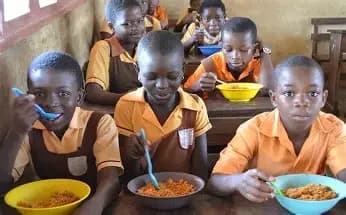
The Minister for Gender, Children and Social Protection, Agnes Naa Momo Lartey, has provided a comprehensive update on the Ghana School Feeding Programme, confirming that while the initiative now serves approximately 4 million pupils across 12,000 public basic schools, no further expansion will take place in 2026. Speaking in Parliament, the Minister cited a lack of financial clearance in the current budget as the primary hurdle for adding new schools. Despite these constraints, the government remains committed to sustaining the current coverage, which provides one nutritious daily meal to learners from kindergarten through Primary Six to boost enrollment and retention.
To address the economic pressures faced by service providers, Dr. Lartey announced an increase in the daily feeding grant from GH¢1.50 to GH¢2 per pupil. This adjustment is specifically designed to help caterers manage the rising cost of food while maintaining required nutritional standards. Notably, the government has also moved to remove the tax component from these payments, ensuring that caterers receive the full value of the grant. The Minister emphasized that these financial adjustments are intended to stabilize the programme and support local agriculture by encouraging caterers to source ingredients directly from local farmers.
However, the increase in funding comes with a stern warning regarding quality control. The Ministry has launched a crackdown on errant caterers who have been reported for serving substandard or nutritionally inadequate meals. Minister Lartey emphasized that investigations have revealed instances where meals did not meet health safety standards, prompting the government to implement punitive actions, including the immediate termination of contracts for those failing to meet standards. To enhance transparency, the Ministry is introducing a new monitoring framework that includes field inspections by Members of Parliament and the active involvement of teachers in overseeing meal preparation.
Looking ahead, the Minister expressed optimism for the programme's future growth, noting that discussions are ongoing with the Ministry of Finance and the Presidency to secure future funding for expansion. While the 2026 appropriation limits immediate growth, the government intends to progressively strengthen the initiative as resources become available. This dual focus on financial sustainability and rigorous quality control aims to ensure that the School Feeding Programme continues to serve as a vital social protection tool for Ghana’s most vulnerable children, alongside other initiatives like the Livelihood Empowerment Against Poverty (LEAP) program.
This story touches markets covered on Anansi Intelligence ↗.
More from education
Continue exploring similar stories


