••
AGI and Labour Unions Welcome Government Tax Relief as Ghana Shifts Focus to Industrial-Led Economic Growth
•2 min read•4 sources
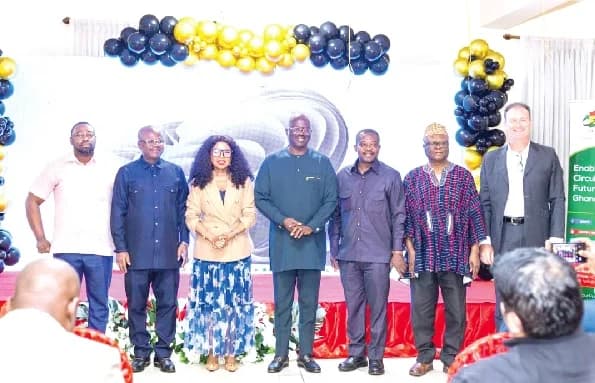
The Association of Ghana Industries (AGI) and the Ghana Federation of Labour (GFL) have intensified calls for a transition from mere economic stability to a robust, industrial-led economy. This momentum follows the government's recent decision to abolish the 20% excise duty on locally manufactured fruit juices, a move widely hailed as a critical step toward enhancing the competitiveness of the domestic agro-processing sector. Industry leaders emphasize that these strategic policy shifts are essential for fostering value addition and reducing the nation’s reliance on imports.
Abraham Koomson, the Secretary-General of the GFL, lauded the removal of the excise duty, describing it as a significant relief for local manufacturers. According to the Federation, the tax burden had previously inflated operational costs, making it difficult for Ghanaian-made juices to compete with cheaper imported alternatives. By scrapping this levy, the government has provided much-needed financial breathing room for the agro-processing segment, which is expected to stimulate production and enhance the overall market position of local producers.
Parallel to these fiscal reforms, the 15th AGI Awards have served as a platform to champion the theme "From stability to growth: Strategic industrialisation as the catalyst for economic transformation." AGI President Kofi Nsiah-Poku highlighted the necessity of leveraging macroeconomic stability to drive accelerated development through competitive manufacturing and innovation. The event emphasized that for Ghana to compete effectively in regional and global markets, the private sector must prioritize high-quality standards, a point reinforced by the Director-General of the Ghana Standards Authority, Prof. George Agyei.
These developments signal a renewed collaborative effort between the private sector and the government to reshape Ghana’s economic landscape. As the nation moves forward under the current administration of President John Mahama, the focus remains on deepening public-private partnerships and refining industrial policies. The ultimate goal is to build an economy rooted in local production, where strategic industrialization acts as the primary engine for job creation and sustainable economic transformation.
This story touches markets covered on Anansi Intelligence ↗.
Related topic
John Mahama: Latest News & Updates →More from business
Continue exploring similar stories


