••
African Prosperity Dialogues 2026: Leaders Warn of Conflict and Unemployment Risks to Continental Integration
•3 min read•10 sources
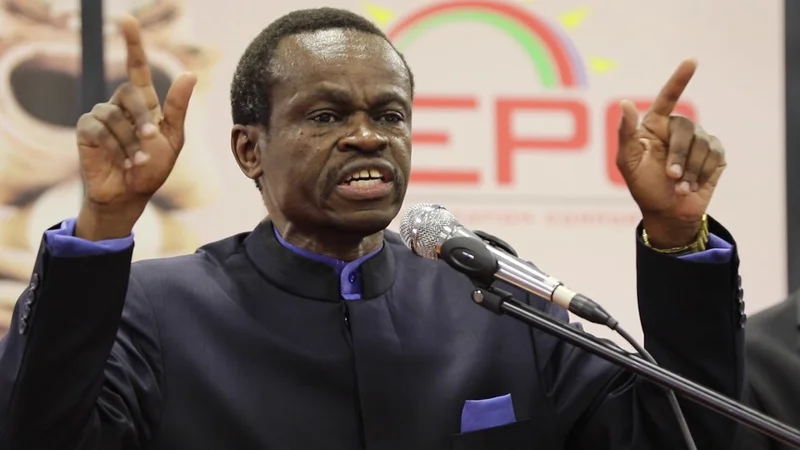
The 2026 African Prosperity Dialogues in Accra have concluded with a stark warning from prominent continental voices regarding the gap between Africa’s economic aspirations and its current political realities. High-profile speakers, including Pan-Africanist Prof. Patrick Loch Otieno Lumumba and African Prosperity Network Executive Chairman Gabby Asare Otchere-Darko, emphasized that while the African Continental Free Trade Area (AfCFTA) offers a path to wealth, it remains threatened by persistent instability, a lack of leadership accountability, and a looming youth unemployment crisis.
Prof. Patrick Lumumba delivered a scathing critique of the continent’s trajectory, describing the vision of a borderless, integrated Africa as a "fantasy" so long as gunfire persists in regions like Sudan and the eastern Democratic Republic of Congo. He noted the failure of the African Union’s 'Silencing the Guns' initiative and the diplomatic isolation of Sahelian nations, arguing that security is a non-negotiable prerequisite for economic development. Lumumba urged African leaders to transition from "empty rhetoric" and high-profile speeches to meaningful action, calling on the youth and civil society to hold governments accountable for creating the peace necessary for trade and SME growth.
Adding to the urgency, Gabby Asare Otchere-Darko identified youth unemployment as the single greatest threat to African stability. With the continent’s population projected to double to 2.1 billion by 2040, he warned that current economic structures are fundamentally inadequate to absorb a workforce expected to reach 1.3 billion. Otchere-Darko advocated for the immediate removal of restrictive borders to facilitate the free movement of labor, capital, and goods, asserting that African SMEs will remain uncompetitive if they are confined to fragmented national markets.
From a private sector perspective, Telecel Group CEO Moh Damush highlighted digital connectivity as a critical tool for bridging these gaps. He argued that Africa’s vast resources remain underutilized without a robust digital single market to support the AfCFTA. Damush emphasized that empowering women-led businesses and youth-driven startups through digital tools and training is an economic necessity rather than a social luxury. He called for grassroots involvement in innovation to ensure that the digital divide does not further marginalize the continent’s most productive demographics.
The dialogues concluded with a unified call for these critical issues—security, labor mobility, and digital inclusion—to be prioritized at the next African Union Summit. The consensus among participants was clear: the success of the AfCFTA and the broader African prosperity agenda depends on moving beyond romanticized ideas of unity toward a pragmatic approach that prioritizes peace, accountability, and the removal of internal barriers to growth.
This story touches markets covered on Anansi Intelligence ↗.
More from africa
Continue exploring similar stories


