••
African Migration Crisis: Tragic Deaths in the English Channel Amid Rising Xenophobic Tensions in South Africa
•2 min read•4 sources
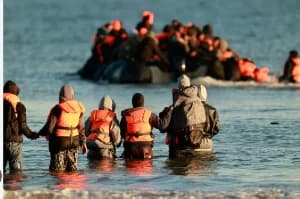
The multifaceted crisis facing African migrants reached a somber milestone this week as fatal incidents in Europe and escalating violence in South Africa highlighted the perilous search for safety and opportunity. In northern France, two young Sudanese women, both approximately 20 years old, tragically suffocated on an overcrowded vessel while attempting to cross the English Channel to Britain. The boat, which was carrying more than 80 people, experienced engine failure near Neufchatel-Hardelot, leaving it to drift at sea. This incident marks the third such tragedy in just one month, with aid organizations like Utopia 56 reporting that a pregnant woman also remains in critical condition following the ordeal. Local officials, including Mayor Paulette Juilien-Peuvion, have expressed deep sorrow over the recurring loss of life among those fleeing dangerous circumstances in their home countries.
Simultaneously, a diplomatic row has erupted between Nigeria and South Africa following a series of violent anti-immigrant attacks that have claimed the lives of at least two Nigerians and four Ethiopians. The Nigerian government has officially summoned South Africa’s acting High Commissioner to express grave concerns over the safety of its nationals. These attacks are fueled by a surge in anti-immigrant sentiment, with local vigilante groups in Johannesburg reportedly stopping individuals to verify their immigration status. Tensions were further exacerbated by the controversial installation of a Nigerian leader in a traditional role, an event that sparked fears among some South Africans regarding shifting political and social dynamics. While South African President Cyril Ramaphosa has condemned the violence, the situation remains volatile as locals continue to cite concerns over crime and job competition.
Underlying these disparate events is a broader systemic failure to address the socio-economic roots of migration and xenophobia across the continent. Analytical perspectives on the 'African Condition' suggest that extreme inequality, high unemployment, and the lack of material security are driving the current cycle of displacement and violence. In South Africa, which hosts approximately 2.4 million migrants, the government’s struggle to manage irregular migration has often led to extra-judicial friction. Experts argue that without addressing these structural issues and revitalizing the ideals of Pan-Africanism through economic empowerment, African nationals will continue to face hostility both within the continent and at the dangerous borders of Europe. The international community and African leadership are now under renewed pressure to move beyond condemnation and toward sustainable solutions that foster unity and dignity for all African people.
This story touches markets covered on Anansi Intelligence ↗.
More from africa
Continue exploring similar stories


